
Plant-based carrier oils nourish facial skin with triglycerides, essential fatty acids, and vitamins, strengthening the skin barrier and delivering nutrients deep into the skin. [Selecting oils like jojoba, [Selecting oils like jojoba, rosehip, argan, or [Selecting oils like jojoba, rosehip, argan, or sweet almond based on your skin type—dry, oily, combination, sensitive, or mature—ensures optimal hydration, balance, and repair for a healthier complexion.].].].
Table of Contents
- Understanding Carrier Oils
- Finding Your Skin Type
- Jojoba Oil Benefits
- Rosehip Seed Oil Magic
- Argan Oil Advantages
- Sweet Almond Oil Essentials
- Grapeseed Oil Breakdown
- Squalane Oil Explained
- Evening Primrose Oil Perks
- Pomegranate Seed Oil Secrets
- Marula Oil Insights
- Tamanu Oil Therapy
- Sea Buckthorn Oil Power
- Comedogenic Ratings Simplified
- Mixing Carrier Oils with Essential Oils
Understanding Carrier Oils
Plant-based carrier oils nourish facial skin because their chemistry is similar to our own. They are made mostly of triglycerides—combinations of glycerol and fatty acids—and carry essential fatty acids (EFAs), vitamins, and other beneficial lipids.
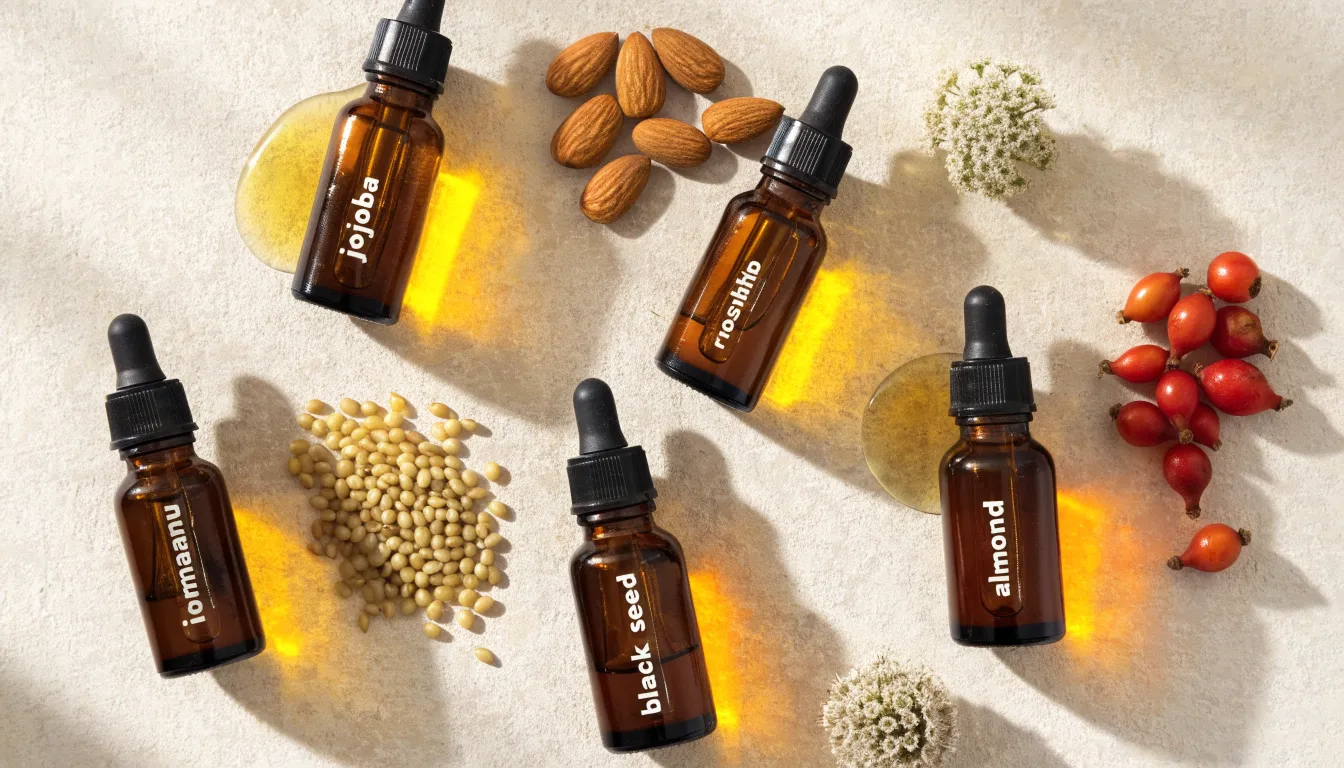
The essential fatty acids, like linoleic and alpha-linolenic acids, are especially important because the body cannot make them. When applied to the skin, these EFAs join the skin’s natural lipid matrix and help form ceramides, which build the outer skin barrier. A stronger barrier protects against environmental damage and prevents moisture loss, keeping skin hydrated, supple, and resilient.
Carrier oils also supply fat-soluble vitamins: Vitamin E acts as an antioxidant that fights free radicals, Vitamin A supports cell renewal and repair, and Vitamin K helps promote an even skin tone. Because these oils naturally blend with skin lipids, they penetrate deeply, delivering nutrients below the surface and supporting skin health from within for a calmer, more radiant complexion.
Finding Your Skin Type
Understanding your skin type is the first step to building a good facial routine, especially when using carrier oils. Choose oils that match your skin: dry skin needs rich, moisturizing oils; oily skin does better with light, non-comedogenic oils that help balance oil production.
Combination skin has both oily and dry areas, so it may need different oils on different zones, or one flexible oil that works for both. Sensitive skin reacts easily, so it needs gentle, anti-inflammatory oils that are unlikely to irritate. Mature skin, with fine lines and less elasticity, benefits most from nourishing, antioxidant-rich oils that support cell renewal and improve softness.
By identifying your skin type first, you can pick carrier oils that truly support your complexion. The right oil can transform your skin’s health, while the wrong one can worsen existing issues. A simple skin check—like noticing tightness, shine, or redness—helps guide you to the most beneficial oil for your unique needs.
Jojoba Oil Benefits
Jojoba oil is not a true oil but a liquid wax ester. Its structure is very similar to the natural sebum produced by human skin, so the skin easily recognizes it as something familiar.
Because of this similarity, jojoba helps regulate oil production. When applied, the skin senses it already has enough moisture and protection, so it signals the sebaceous glands to produce less sebum. This can reduce excess oil, shine, clogged pores, and breakouts, especially for oily or combination skin.
At the same time, jojoba provides light, effective hydration. It absorbs easily without leaving a heavy or greasy layer, and won’t clog pores. By balancing moisture and oil, it helps create a healthier, more balanced complexion and works well for many different skin types.
Rosehip Seed Oil Magic
Rosehip seed oil is prized for facial skin because it helps rejuvenate the complexion and fade dark spots. Its main power comes from trans-retinoic acid, a natural form of vitamin A that speeds up cell turnover. This encourages old, damaged skin cells to shed faster and be replaced with fresh ones, revealing a brighter, more even tone and reducing hyperpigmentation.
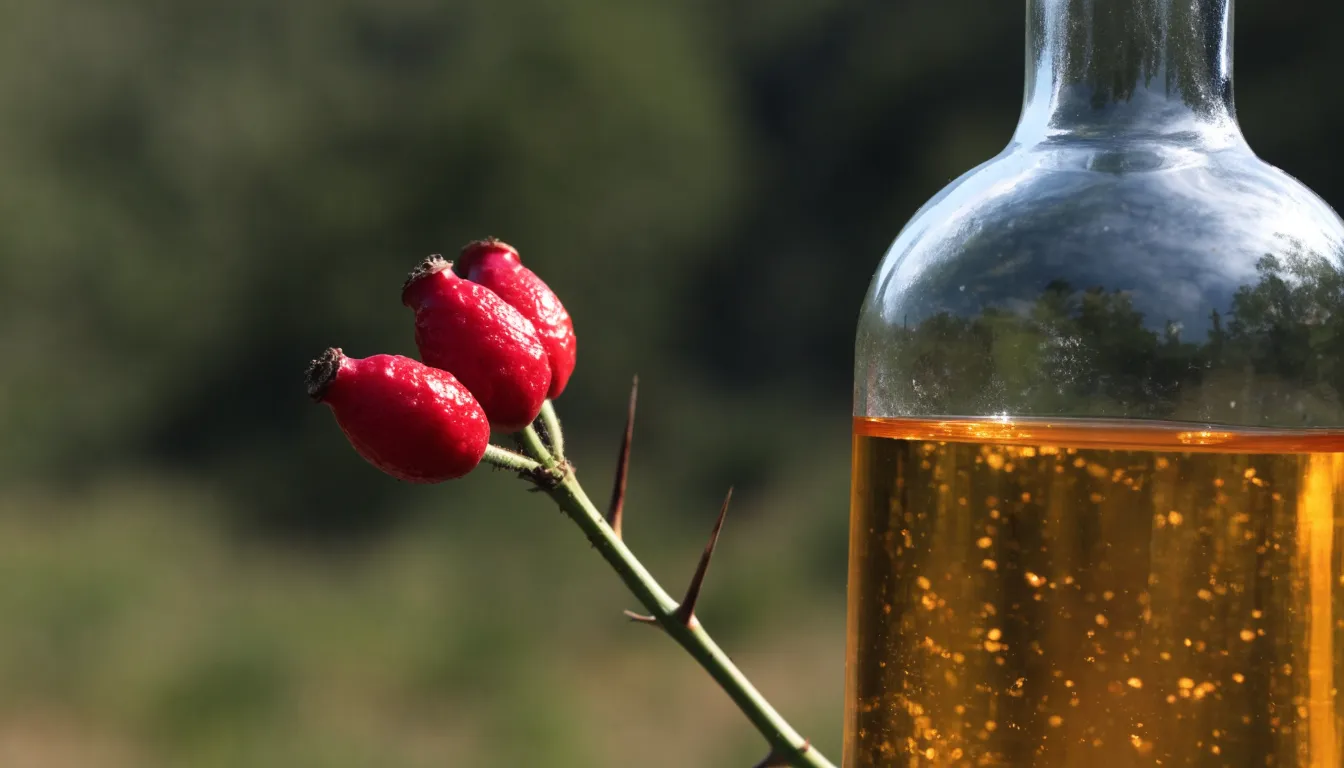
The oil also supplies vitamin C, a strong antioxidant that protects skin from environmental damage and helps lighten dark spots. Vitamin C works by limiting melanin production, which evens out skin color over time, and it supports collagen production for better elasticity and smoother texture.
Rosehip seed oil’s essential fatty acids—linoleic acid (omega-6) and alpha-linolenic acid (omega-3)—deeply nourish the skin and strengthen its natural barrier. These fats keep skin hydrated, supple, and resilient, creating the right conditions for vitamin A and vitamin C to work. Together, these compounds boost skin renewal, reduce dark spots, and promote a naturally radiant, even-toned complexion.
Argan Oil Advantages
Argan oil is excellent for facial care, especially for dry skin, because it provides deep hydration without clogging pores. Its effectiveness comes from its composition, which is rich in beneficial ingredients like vitamin E and oleic acid.
Vitamin E acts as a strong antioxidant that helps repair a damaged skin barrier. It nourishes and protects skin cells from environmental stress while supporting the skin’s natural healing process. A stronger barrier locks in moisture more effectively, reducing dryness and flakiness and making the skin more resilient against irritants.
Oleic acid, a monounsaturated fatty acid, boosts argan oil’s moisturizing power by penetrating the skin’s lipid layers and delivering moisture deep into the epidermis. It replenishes natural oils, improving elasticity and softness without feeling heavy. Despite its rich action, argan oil absorbs quickly and leaves a smooth, non-greasy finish, making it a comfortable daily moisturizer even under makeup, resulting in a balanced, hydrated complexion.
Sweet Almond Oil Essentials
Sweet almond oil is a gentle, anti-inflammatory choice for sensitive or easily irritated facial skin. It helps calm various forms of skin distress, including eczema, by easing itching and dryness. The oil forms a protective yet breathable barrier on the skin, locking in moisture and shielding compromised skin from outside irritants.
It also works to reduce general redness caused by environmental factors, product sensitivities, or minor flare-ups. This soothing effect helps even out skin tone and calm a flushed, angry complexion. Because it is naturally mild, it is especially safe for reactive skin and does not trigger new sensitivities or worsen existing ones.
Rich in beneficial fatty acids and vitamins, sweet almond oil also helps repair and strengthen the skin’s natural barrier. With regular use, it can make even the most delicate skin less reactive, more comfortable, and visibly healthier overall.
Grapeseed Oil Breakdown
[Grapeseed oil is a great option for acne-prone skin because it is very lightweight and has a helpful chemical makeup.]. It is high in linoleic acid, an omega-6 fatty acid that supports the skin’s natural barrier. When skin doesn’t have enough linoleic acid, sebum can become thick and clog pores, leading to breakouts. By adding this fatty acid, grapeseed oil helps keep sebum thinner and less likely to block follicles, which can reduce acne flare-ups.
Grapeseed oil also has natural astringent qualities that gently tighten the look of enlarged pores. This helps create smoother skin and makes it harder for dirt and oil to build up in ways that cause spots. Because of this, it is especially helpful for skin that tends to look congested or uneven.
One of the best things about grapeseed oil is how fast it absorbs. It sinks into the skin without leaving a greasy or heavy film, making it a great moisturizer for oily or combination skin. It leaves the face feeling fresh and clean, so it can be used comfortably every day as part of a routine focused on controlling breakouts and maintaining clearer skin.
Squalane Oil Explained
Squalane oil is especially good for aging facial skin because it matches the skin’s own chemistry. It comes from plant sources like olives or sugarcane and is a stable form of squalene, a natural oil our skin makes. As we age, our skin produces less squalene, which leads to dryness and visible aging. Plant-derived squalane easily replaces this lost lipid, so the skin uses it effectively without irritation, even on sensitive skin.

This compatibility leads to deep moisture restoration. Squalane absorbs quickly and provides strong hydration without feeling greasy. That hydration improves elasticity by keeping the skin’s moisture levels balanced, helping it feel firmer and more supple. Well-hydrated skin cells also swell slightly, which plumps fine lines and makes the skin’s surface look smoother and more even.
Squalane also helps prevent transepidermal water loss, or TEWL. It creates a light, breathable barrier on the skin that locks in moisture without clogging pores. This keeps skin hydrated throughout the day, preserves its overall integrity, and leaves it looking soft, dewy, and youthful—making squalane a valuable tool in any anti-aging facial care routine.
Evening Primrose Oil Perks
Evening Primrose Oil is a standout carrier oil for the face because it is rich in gamma-linolenic acid (GLA), an essential omega-6 fatty acid.]. This nutrient is key for keeping skin healthy, especially by calming inflammation linked to hormonal breakouts. It helps soothe cystic blemishes and redness by regulating the skin’s inflammatory response, which reduces both the severity and frequency of hormone-driven flare-ups.
Beyond fighting inflammation, this oil helps restore the skin’s elasticity. Aging and environmental stress can weaken the skin’s firmness and bounce, but the fatty acids in Evening Primrose Oil strengthen the skin barrier and cell structure. As a result, regular use leads to a smoother texture, more supple feel, and a firmer, more toned appearance.
Overall, these benefits make it a great option for many skin types, particularly those dealing with both inflammatory issues and early signs of aging. It offers a simple, natural way to support a calmer, more resilient, and healthier-looking complexion.
Pomegranate Seed Oil Secrets
Pomegranate seed oil is valued for reviving tired, dull skin. Its main strength is its high antioxidant content, especially punicic acid, a rare omega-5 fatty acid that helps repair and support skin health from within.
These antioxidants help protect the skin against daily damage from pollution, UV rays, and other environmental stressors. By neutralizing free radicals, they reduce oxidative stress and help preserve the skin’s natural barrier and youthful appearance.
With regular use, pomegranate seed oil improves skin tone and texture, fades dullness, and promotes a more even complexion. It supports cell renewal, keeping skin supple and glowing, making it a great choice for restoring radiance and antioxidant protection.
Marula Oil Insights
Marula oil is an excellent choice for facial care because it delivers deep hydration that still feels very light. Its unique lipid profile, made mostly of oleic acid, gives it a smooth, almost dry texture on the skin. This allows the oil to penetrate the skin quickly, bringing its nutrients right where they are needed.
When applied, marula oil does not sit on top of the skin like a heavy barrier. Instead, it absorbs fast, carrying nourishment deep into the skin’s layers. Within moments, the skin feels hydrated and soft, with no sticky or greasy residue, making it easy to use daily before makeup or other products.
The result is a natural, everyday glow. Marula oil gives the skin a subtle dewy finish that reflects light and looks fresh and healthy. This comes from real hydration, not just surface shine. Its fast absorption means pores are less likely to clog, making it suitable for congested skin too. It supports clear, calm, comfortable skin without heaviness or slickness.
Tamanu Oil Therapy
Tamanu oil is a powerful targeted treatment for facial blemishes and scars. Its main strength comes from calophyllolide, a compound that supports skin recovery and helps natural wound healing, reducing visible damage. With regular use, it fades post-acne discoloration and smooths texture for a more even skin tone.
It also has strong antibacterial action, helping manage active breakouts and stop new blemishes from forming. By controlling bacteria on the skin, it lowers inflammation and supports a clearer, healthier complexion.
These therapeutic qualities make tamanu oil a natural choice for improving skin resilience and clarity. Because it works in multiple ways—healing, scar reduction, and antibacterial protection—it acts as a comprehensive treatment for challenging skin conditions, helping skin recover and thrive.
Sea Buckthorn Oil Power
Sea buckthorn oil is a powerful botanical for facial skin, best known for its strong rejuvenating and restorative effects. Its orange color comes from a dense mix of nutrients that boost overall complexion renewal. Most notably, it is rich in omega-7 fatty acids, or palmitoleic acid, which support cellular regeneration and help maintain the skin’s natural barrier. This makes the skin better able to heal, defend itself against environmental stress, and stay supple and resilient.
The oil is also packed with carotenoids, which act as potent antioxidants. These compounds neutralize free radicals that can otherwise cause oxidative damage, leading to premature aging, dullness, and a weakened skin surface. By helping repair damaged tissue and soothe irritation, carotenoids improve skin tone and texture, leaving the face smoother and more even.
Used regularly, sea buckthorn oil restores vitality to tired or stressed skin. The combined action of omega-7s and carotenoids supports the skin’s natural healing processes, promoting a healthy glow and deep nourishment. With this broad nutrient profile, it is a valuable addition to any skincare routine aimed at a resilient, youthful, and naturally luminous complexion.
Comedogenic Ratings Simplified
** The comedogenic rating explained.** This scale (0 to 5) measures how likely an oil is to clog your pores. A rating of 0 means it’s non-comedogenic, with an extremely low risk of causing breakouts—oils like argan or sunflower fall here. Ratings of 1 and 2 (very low to low likelihood) are still largely safe for most people, though those with very sensitive or acne-prone skin should be a bit more cautious at the 2 level.
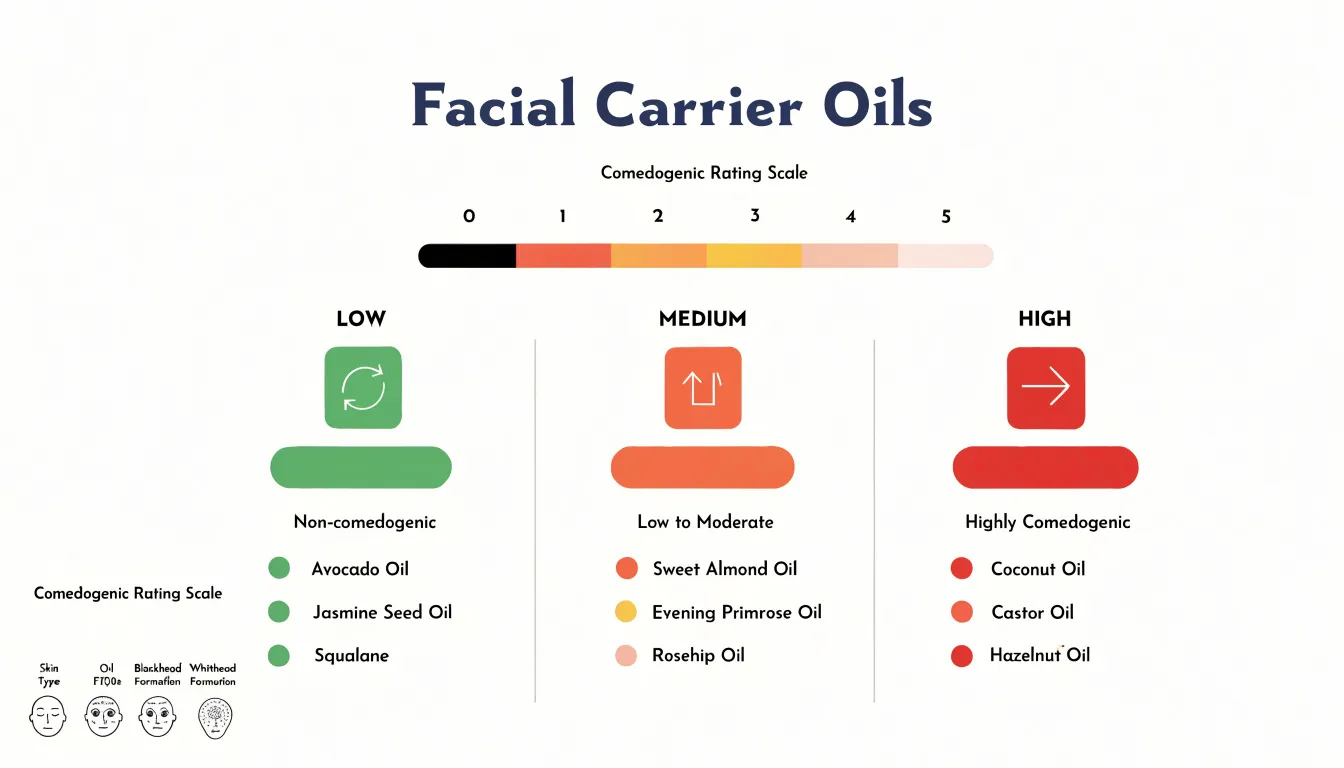
Higher numbers dramatically increase the risk. A rating of 3 indicates a moderate chance of clogging pores, which might work for dry or non-acne-prone skin but requires caution. Ratings of 4 and 5 mark a fairly high to very high likelihood of pore congestion; these oils will almost certainly cause breakouts for most people, especially those with oily or acne-prone skin, so they’re best avoided entirely for facial use.
The practical takeaway for clear skin. To keep your face clear, prioritize carrier oils with ratings between 0 and 2. Since everyone’s skin differs, always check your individual skin type and run a small patch test before fully adding a new oil to your routine.
Mixing Carrier Oils with Essential Oils
Essential oils are highly concentrated plant extracts and should never be applied directly to the face. They must always be diluted in a carrier oil to reduce their intensity while still allowing their beneficial properties to work effectively.
For facial use, a safe general dilution is 1% to 2%, or about 6 to 12 drops of essential oil per ounce of carrier oil. Start with the lower amount, especially if you have sensitive skin or are trying a new oil. Some stronger essential oils may require an even weaker dilution of 0.5% or less. Always do a patch test on a small area, such as the inner forearm or behind the ear, and wait 24 hours to check for any redness, itching, or irritation.
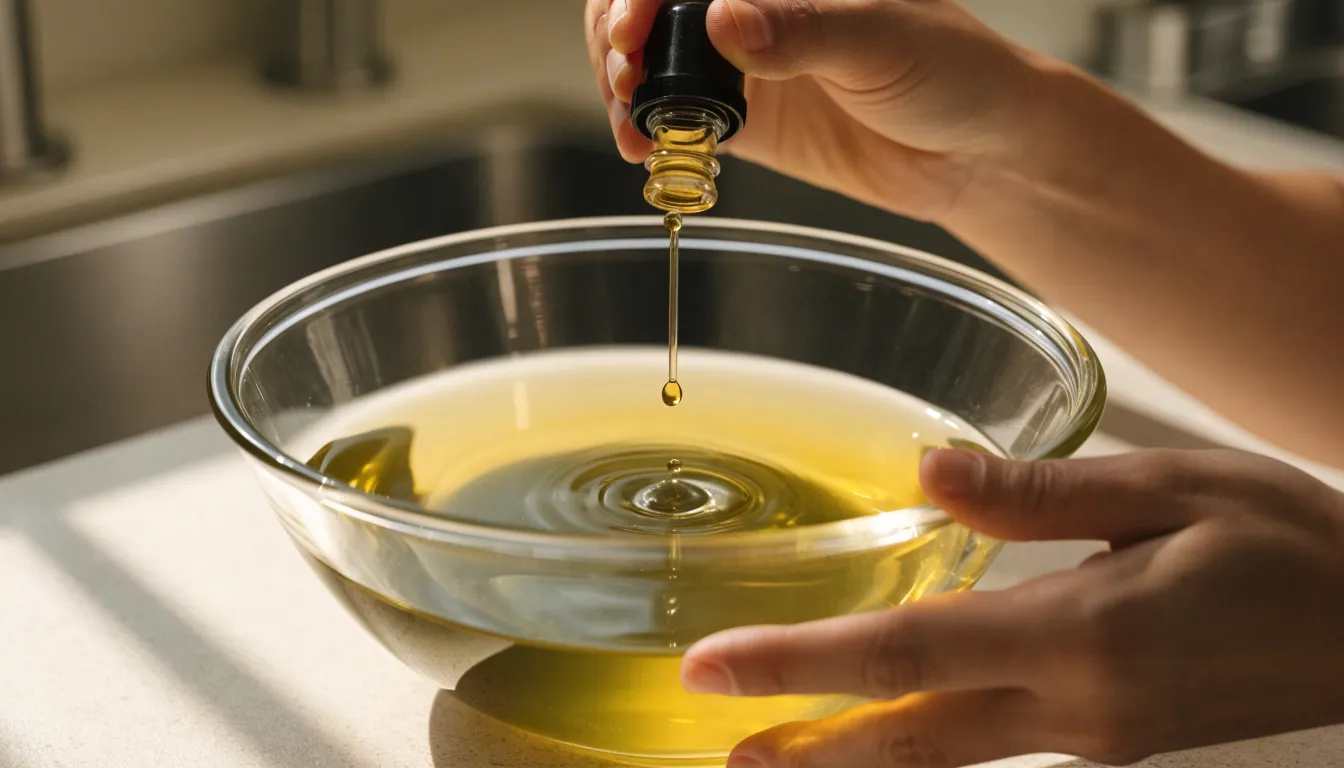
Consider your skin type and any existing sensitivities—people with reactive skin, children, and the elderly may need gentler blends. Research each essential oil, since some cause photosensitivity and should not be used before sun exposure. Proper dilution helps prevent irritation and improves absorption, so the essential oils can work in harmony with your chosen carrier oil for better results.
Frequently Asked Questions
What are carrier oils and how do they benefit facial skin?
Plant-based carrier oils nourish facial skin because their chemistry is similar to our own, providing essential fatty acids, vitamins, and other beneficial lipids. They strengthen the skin’s natural barrier, protect against environmental damage, and prevent moisture loss, keeping skin hydrated, supple, and resilient.
How do I choose the right carrier oil for my specific skin type?
You should choose oils that match your skin type; for example, dry skin needs rich, moisturizing oils, while oily skin benefits from light, non-comedogenic oils. Sensitive skin needs gentle, anti-inflammatory oils, and mature skin benefits from nourishing, antioxidant-rich options that support cell renewal.
Which carrier oils are recommended for oily or acne-prone skin?
Jojoba oil helps regulate oil production and reduces excess shine and breakouts by signaling sebaceous glands to produce less sebum. Grapeseed oil is very lightweight and high in linoleic acid, which helps keep sebum thinner and less likely to clog pores, making it ideal for acne-prone skin. Tamanu oil also offers strong antibacterial action to manage active breakouts and reduce scars.
What carrier oil is best for improving the look of aging skin and fine lines?
Squalane oil is especially good for aging facial skin as it deeply restores moisture, improves elasticity, and plumps fine lines, making skin look smoother and more even. Rosehip seed oil, with its natural form of vitamin A, speeds up cell turnover to reduce hyperpigmentation and support collagen production. Evening Primrose Oil also helps restore elasticity and firmness, making it a great option for early signs of aging.
How can I tell if a carrier oil will clog my pores?
The comedogenic rating scale (0 to 5) indicates how likely an oil is to clog pores. For clear skin, prioritize oils with ratings between 0 and 2, as these have a very low to low risk of causing breakouts. Oils with ratings of 4 or 5 have a high likelihood of pore congestion and are best avoided for facial use, especially for oily or acne-prone skin.
Is it safe to apply essential oils directly to my face?
No, essential oils are highly concentrated and should never be applied directly to the face. They must always be diluted in a carrier oil, typically at a safe general dilution of 1% to 2% (6 to 12 drops per ounce of carrier oil) for facial use. Always perform a patch test on a small area and wait 24 hours to check for any irritation, as some essential oils may require even weaker dilutions or cause photosensitivity.