
Essential oils like tea tree, peppermint, and lavender provide natural relief for bug bites by reducing inflammation, soothing itchiness, and offering antiseptic properties. Tea tree calms skin, peppermint creates a cooling sensation, and lavender eases irritation while preventing scratching. Other oils, such as chamomile and eucalyptus, also offer gentle or strong therapeutic effects for various bite types and skin sensitivities.
Table of Contents
Immediate Itch Relief
Tea tree oil is a great natural remedy for bug bites because it quickly soothes skin and stops itching. When a bug bites, your body releases histamines, which cause redness, swelling, and itchiness. Tea tree oil contains compounds like terpinen-4-ol that have strong anti-inflammatory effects. These compounds work fast to calm the skin’s reaction.

This anti-inflammatory action targets the cause of the irritation. It lowers inflammation in the skin, so the itch feels much less intense almost right away. It also helps visible symptoms improve: the redness fades and the swollen bump goes down. This brings real comfort and makes the bite much easier to tolerate.
Tea tree oil also protects the bite from further harm. Itchy bites often lead to scratching, which can break the skin and let bacteria in. Tea tree oil has antiseptic and antimicrobial properties, so applying it helps clean the area and stop bacterial growth. This prevents secondary infections that could slow healing or cause worse skin problems. Together, its soothing and protective effects make tea tree oil very useful for managing bug bites.
Cooling the Burn
Peppermint oil is especially soothing for mosquito bites because of a powerful compound it contains called menthol. This is the same substance that gives peppermint its signature scent and its cool, tingling feeling on the skin.
When menthol touches the skin, it activates nerve receptors called TRPM8, which normally detect cold temperatures. It tricks these receptors into sensing cold even without an actual temperature drop, creating a strong cooling sensation on the bite.
This intense cooling signal overrides the nerve signals that cause itching. The brain focuses on the cool, slightly numb feeling instead of the itch, which provides quick relief, dulls discomfort, and helps stop the urge to scratch.
Calming Sensitive Skin
Lavender oil helps calm bug bites by working directly on irritated skin. Its main compound, linalool, interacts with skin receptors to reduce itching and inflammation, quieting the overactive signals an insect bite triggers.
Linalool also eases the nervous system’s stress response to itching. This lowers the urge to scratch, helping break the cycle of irritation and further skin damage.
By soothing both the skin and the neurological itch response, lavender oil prevents compulsive scratching. This keeps skin intact, reduces risk of infection, and supports faster, more peaceful healing.
Natures Antibacterial Shield
When a bug bite becomes unbearably itchy, people often scratch it until it is raw, which can break open the skin. That open wound becomes an easy entry point for bacteria and other germs, raising the risk of infection. This is where certain plant compounds in essential oils can help.
Many essential oils contain strong antibacterial ingredients that act as a natural protective barrier. When applied in diluted form to an open bite, these compounds create an environment where bacteria cannot thrive. Instead of just covering the problem, they actively stop microbes from growing and spreading, reducing the chances of itching, swelling, redness, and pus.
These plant compounds work by attacking bacterial cell walls and breaking them down, keeping bacteria from colonizing the damaged skin. This helps keep the wound clean so the body can heal naturally. In short, essential oils act like a natural shield, lowering the risk of secondary infection on skin already irritated by bug bites.
Chamomile Comfort
Chamomile essential oil is a very gentle way to soothe bug bites, making it especially useful for sensitive skin. Both German and Roman chamomile are known for being mild, so they work well for toddlers and people with easily irritated skin. Their key benefit comes from bisabolol, a natural anti-inflammatory compound that calms the skin and helps reduce redness, swelling, and itching from insect bites.
Because bisabolol is so gentle, it is perfect for young children, whose skin is thinner and more prone to irritation. Stronger oils could cause reactions, but chamomile offers a kind, soothing touch. It also helps adults with conditions like eczema, rosacea, or general sensitivity by settling the skin’s response, bringing comfort, and supporting natural healing without adding extra stress to the affected area.
When properly diluted, chamomile essential oil provides a comforting remedy for irritated bites. Its mild nature gives parents confidence to use it on children, and it makes a great addition to a natural first-aid kit. Chamomile consistently turns sharp discomfort into manageable relief, so even the most delicate skin can find calm and effective soothing after insect stings and bites.
Eucalyptus Power
Eucalyptus oil is a strong choice for treating painful wasp and bee stings. Its high eucalyptol content gives it powerful therapeutic effects against venom. Applied to a fresh sting, eucalyptol works on the body’s reaction to the venom, calming irritation and reducing inflammatory compounds.
It quickly eases sharp, throbbing pain. The pain-relieving qualities of eucalyptol help the sting feel less intense and more manageable. This allows the body to recover from the local injury and brings a soothing sense of relief.
The oil also reduces swelling from the sting. It helps limit fluid buildup and inflammatory chemicals at the site, so the area returns to normal faster. By addressing both pain and swelling, eucalyptus oil is a useful, fast-acting remedy for common insect stings.
Frankincense Magic
Frankincense helps heal skin and reduces the visible aftermath of bug bites. Its main benefit comes from boswellic acid, which works deep in the skin to support natural renewal. When a bite causes irritation and inflammation, this compound helps calm the skin and encourages it to repair itself.
By boosting cellular turnover, frankincense speeds up the process where damaged skin cells are replaced by fresh, healthy ones. This is especially helpful for fading lingering red marks that stay long after the bite is gone. Over time, the renewed cells even out skin tone and make those spots less noticeable.
Frankincense also helps with minor abrasions or tiny surface irregularities left by scratching or aggressive bites. It supports the growth of new skin tissue, creating a smoother, more uniform surface. With regular use, it restores the skin’s natural clarity and texture, leaving a more resilient, revitalized complexion.
Safe Carrier Oils
Diluting essential oils with a carrier oil is vital for treating bug bites safely and effectively. Essential oils are extremely concentrated, and using them undiluted can cause skin irritation, sensitization, or even chemical burns. A carrier oil spreads out the essential oil, lowers its strength, and helps it absorb into the skin—allowing the oil’s beneficial properties to work without risking a bad reaction. The carrier oil itself can also add its own skin-soothing qualities.
Jojoba oil acts like the skin’s natural oil, so it absorbs easily without feeling greasy and suits most skin types. Fractionated coconut oil is light, non-greasy, and long-lasting, making it great for dry or irritated skin around bites. Sweet almond oil is rich in vitamins E and K, offering extra nourishment and calming support for sensitive or inflamed areas.
For any of these carrier oils, a 2–5% dilution is usually recommended—about 2 to 5 drops of essential oil per teaspoon of carrier oil. Adjust the amount based on the strength of the essential oil and your skin’s sensitivity. Always do a patch test on a small area first before applying more widely.
Quick DIY Roller Blends
Outdoor bug bites can quickly ruin a hike or camping trip, but quick DIY roller blends offer simple, mess-free relief. These small 10ml rollerball bottles fit easily in a pocket, backpack, or first-aid kit, so soothing botanicals are always ready when a bite happens.
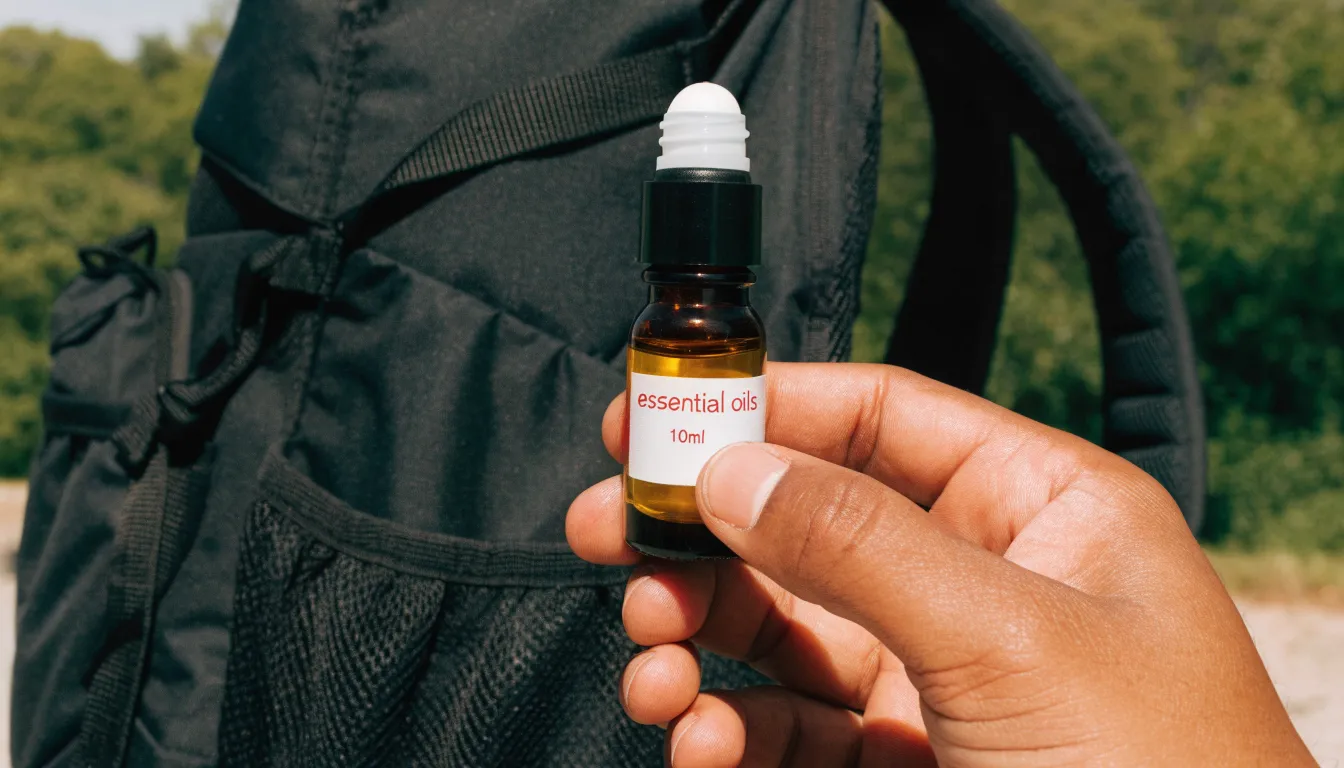
Making the blend is easy: fill a 10ml rollerball with about 5–10 drops of essential oils and top it off with a carrier oil like fractionated coconut or jojoba. This dilution keeps the oils safe on skin and helps them work well. Lavender calms and soothes irritated skin, tea tree helps purify and cleanse the bite area, and peppermint adds a cooling sensation that eases itching and discomfort.
Just shake the bottle gently before each use, then roll it directly onto the bite. The rollerball applies the oil precisely without mess or waste, giving quick relief wherever you are—on the trail, at camp, or at a picnic—so you can keep enjoying the outdoors.
Spot Treating Safely
For a single, tiny bite or sting—like a lone mosquito bite or a bee sting after the stinger is removed—you might carefully dab a very small amount of undiluted essential oil onto that exact spot using a cotton swab or toothpick. Gentle oils like lavender or tea tree are sometimes used this way to provide a concentrated, quickly soothing effect right where it’s needed. However, this method is risky and should only be done on an extremely small isolated area; never use it on widespread bites, open wounds, or sensitive skin.
For anything larger, multiple bites, or when using most oils, diluting them is always the safer and more effective method. Simply mix a few drops of the essential oil into a teaspoon of a carrier oil, such as jojoba, almond, or fractionated coconut oil. This mixture greatly lowers the risk of skin irritation or allergic reactions, and it can be spread more broadly across the affected area to provide gentle yet effective relief.
Dilution is absolutely essential when applying oils to children, people with sensitive skin, or whenever you try a new oil. Even after diluting, you should always perform a patch test on a small, hidden part of your skin first.
Soothing Bath Soaks
For widespread bug bites, a bath soak provides full-body relief, treating multiple irritated areas at once. Because essential oils naturally float on water and can irritate the skin if undiluted, a dispersant is key. Epsom salts serve this purpose perfectly, binding with the oil molecules to distribute them safely and evenly throughout the water.
To prepare the soak, mix one to two cups of Epsom salts with 5-10 drops of your chosen oil blend in a bowl. Suitable oils include calming lavender, cleansing tea tree, cooling peppermint, or gentle chamomile. Stir them together thoroughly, then add the mixture to a warm (not hot) bath, swishing the water to ensure the oils dissolve completely.

Soak for 15 to 20 minutes to let the warm water and therapeutic oils calm the irritated skin. This immersive approach provides gentle, relaxing relief across your entire body, avoiding the need for harsh, localized applications on each individual bite.
Understanding the Itch
When a mosquito or other insect bites, it injects saliva into the skin. That saliva contains proteins and other compounds that help the insect feed. The body sees these proteins as foreign invaders and immediately starts an immune response in the skin.
Special immune cells called mast cells release histamine. Histamine makes blood vessels widen and leak fluid, causing redness, swelling, and heat around the bite. It also stimulates nearby nerve endings, which creates the strong, persistent itching sensation.
Essential oils can help by interrupting this reaction. Anti-inflammatory oils reduce swelling and heat, cooling oils calm and soothe irritated nerves, and some oils may help quiet mast cells or block histamine, which eases the itch and helps the bite heal faster.
Avoiding Bad Reactions
Before using any essential oil on a larger area—especially for bug bite relief—it’s important to do a patch test. Even natural oils can cause skin irritation or allergic reactions, ranging from mild redness to a more serious rash. A simple 24-hour patch test helps you check for sensitivity in a safe, controlled way, which is especially useful for new oils or sensitive skin.
To do the test, choose a small, hidden spot like your inner forearm. First, dilute the essential oil properly: mix 1–2 drops of essential oil into 1 teaspoon (5 ml) of a carrier oil such as jojoba, almond, or fractionated coconut oil. Stir well, then apply just one or two drops of the diluted mixture to the skin.
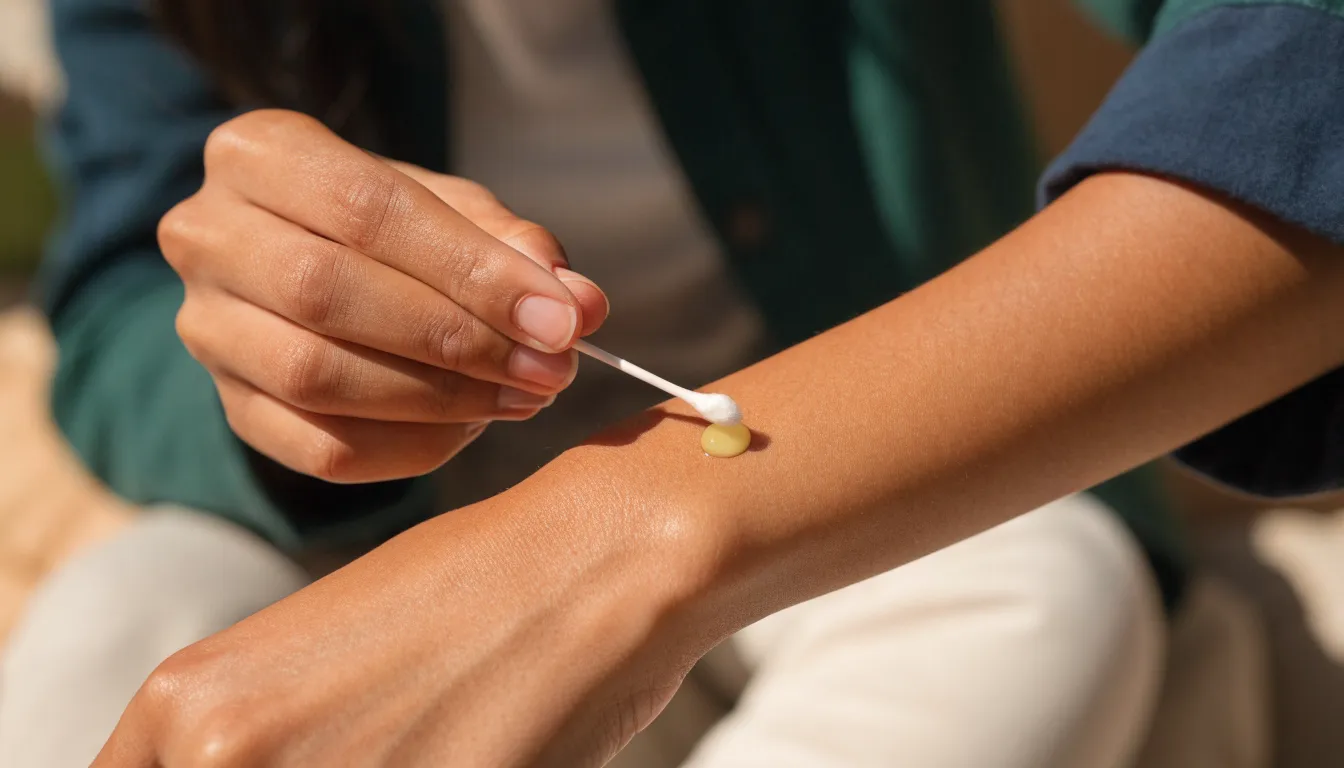
Leave the test area alone for a full 24 hours. Check it regularly for redness, itching, swelling, burning, rash, or any other skin changes. If any reaction appears, wash the area gently with mild soap and water, and avoid using that essential oil on your skin. If no reaction occurs after 24 hours, the oil is likely safe to use more broadly. This simple step makes using essential oils safer and more comfortable.
Bug Repelling Blends
Preventing bug bites before they happen is a smart way to enjoy the outdoors. Bug repelling essential oil blends are made to create an environment that bugs do not like. These blends often use citronella, lemongrass, and peppermint oils together. Their combined scents help mask the natural human smells that attract biting insects.
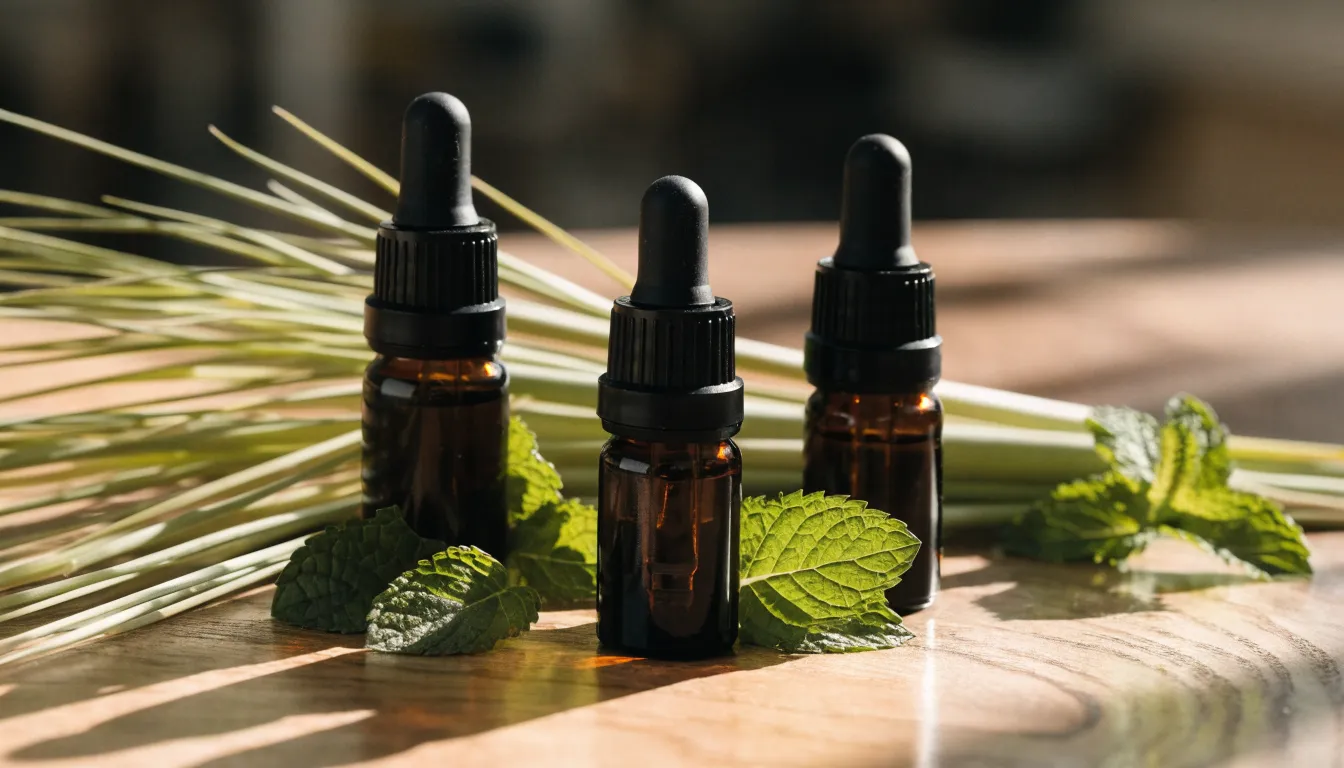
Citronella oil is well known for keeping bugs away. It gives off a strong, distinct smell that makes it hard for bugs to find people to bite. When mixed with lemongrass oil, the protection gets even stronger. Lemongrass has a citrusy, herbaceous scent and contains compounds that bugs find very unpleasant.
Peppermint oil adds a sharp, refreshing smell that people enjoy but many insects avoid. Together, these three oils overwhelm a bug’s sensitive sense of smell. This makes it hard for bugs to pick up on human scents, so they are less likely to come near or bite. Using these natural blends can be a gentle but effective way to keep future bites away while spending time outdoors.
Frequently Asked Questions
How do essential oils help relieve bug bite itching?
Essential oils can interrupt the body’s reaction to bug bites by reducing swelling and heat, calming irritated nerves, and soothing the skin. Oils like tea tree, peppermint, and lavender provide anti-inflammatory, cooling, and calming effects to ease itching and discomfort.
Do I need to dilute essential oils before putting them on bug bites?
Yes, it is vital to dilute essential oils with a carrier oil because they are highly concentrated and can cause skin irritation or burns if used undiluted. For most uses, mix 2-5 drops of essential oil per teaspoon of carrier oil, and always perform a patch test first.
Which essential oil is good for reducing redness and swelling from bug bites?
Tea tree oil is effective for reducing redness and swelling due to its strong anti-inflammatory compounds like terpinen-4-ol, which calm the skin’s reaction. Chamomile oil also helps reduce redness, swelling, and itching with its natural anti-inflammatory compound, bisabolol, making it gentle for sensitive skin.
Can essential oils help prevent bug bites?
Yes, certain essential oil blends can help prevent bug bites by creating an environment that insects dislike. Oils such as citronella, lemongrass, and peppermint are often used together in repelling blends to mask human scents and deter biting insects.
How can I use essential oils if I have many bug bites all over my body?
For widespread bug bites, a soothing bath soak provides full-body relief. Mix 5-10 drops of essential oils like lavender, tea tree, peppermint, or chamomile with one to two cups of Epsom salts, then add the mixture to a warm bath and soak for 15 to 20 minutes.
What essential oil helps with wasp or bee stings?
Eucalyptus oil is a good choice wasp and bee stings. Its high eucalyptol content offers powerful therapeutic effects that calm irritation, quickly ease sharp, throbbing pain, and reduce swelling from the sting.