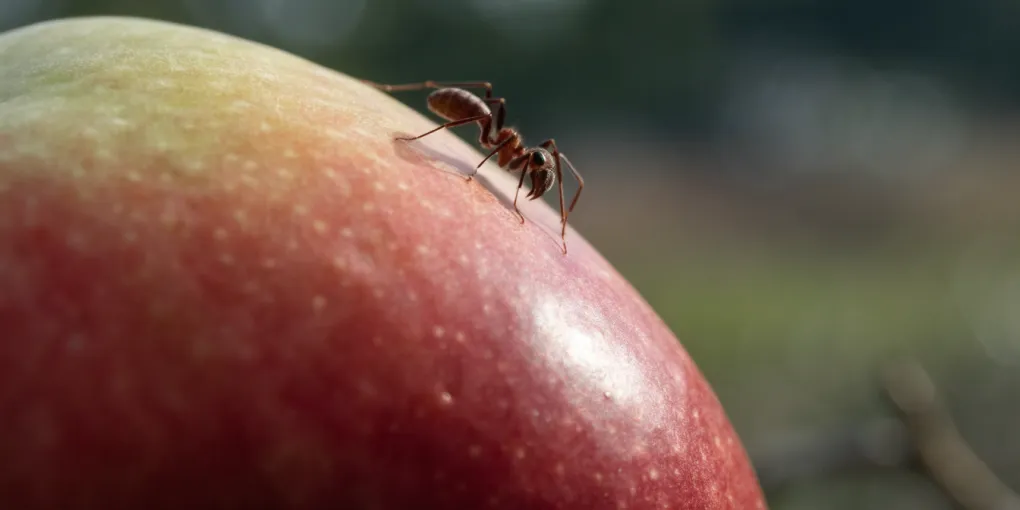
Essential oils like peppermint, tea tree, and citrus deter ants by masking pheromone trails and overwhelming their senses with strong natural compounds like menthol and d-limonene. These plant-based remedies offer a non-toxic alternative to chemical pesticides, disrupting ant navigation and communication, or even killing them on contact, making treated areas unappealing or deadly for pests.
Table of Contents
Natural Ant Control
Natural ant control with essential oils is a much better choice than chemical pesticides. These plant-based remedies can stop ants effectively while also protecting your indoor air. Synthetic pesticides release toxic compounds into your home that linger in the air and can cause breathing problems or other health issues. Essential oils, on the other hand, come from plants, and their active compounds break down naturally without leaving behind harmful chemical residue.
Essential oils are also a much safer option for households with pets. Traditional pesticides are dangerous for animals because pets explore with their mouths and paws and spend a lot of time close to the floor where treatments are applied. When essential oils are properly diluted and used, they help keep ants away without exposing your furry companions to dangerous neurotoxins or harsh chemicals found in many synthetic products.
Because of this, essential oils let homeowners deal with ant problems while still keeping the house clean and pest-free. They provide a non-toxic, healthier way to manage pests, making the home safer for both the people and pets who live in it.
Understanding Ant Behavior
Ants rely on chemical signals called pheromones to navigate. When they travel, they leave invisible scent trails that guide other ants to food, water, and shelter. Their antennae have special receptors to detect these trails, which keeps the whole colony working efficiently.
Essential oils contain natural plant compounds called terpenes, which give them strong smells. When these oils are introduced, the terpenes overwhelm the ants’ receptors, completely masking the pheromone trails. It’s like trying to follow a faint scent in a room full of strong perfume—the original trail becomes undetectable.
The terpenes can also actively break down the pheromones themselves, erasing the ant’s pathways. Without clear trails, worker ants get confused and cannot find food or their way home. This stops them from supplying the colony, so they ultimately stay away from the treated area.
Peppermint Oil Power
Peppermint oil is very effective at keeping common house ants away. Its main power comes from menthol, the compound that gives peppermint its strong smell. While people may enjoy this scent, ants find it highly unpleasant, and it works as a natural repellent that makes them want to leave the area.
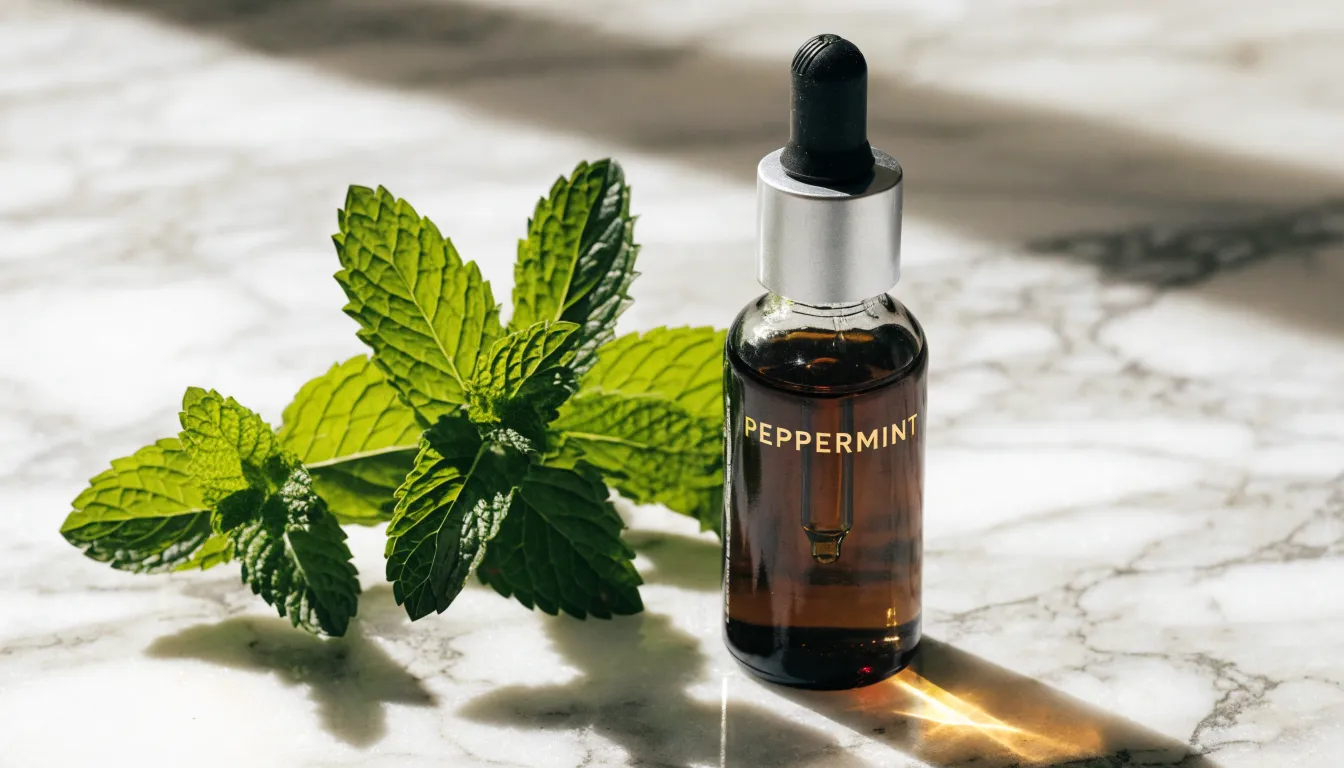
Ants depend on their sense of smell to find food and communicate. They leave pheromone trails so other ants can follow the same path. The strong menthol smell overpowers and masks these trails, which confuses the ants and stops them from reaching food or finding their way back to the nest. Menthol also irritates ants’ sensitive receptors, creating a sensation they strongly dislike, so they quickly avoid treated spaces.
Common invaders like black house ants and sugar ants are especially sensitive to this effect. Peppermint oil offers a natural, non-toxic way to drive ants away without using harsh chemical pesticides, making it a great choice for keeping kitchens and pantries ant-free and protecting food.
Tea Tree Oil Defense
Tea tree oil defends against ants through two main functions: killing them on contact and blocking their entry into your home. Its power comes from an active compound called terpinen-4-ol, which has strong insecticidal properties.
When an ant touches the oil, terpinen-4-ol attacks its cell membranes and breaks them down. This damages the ant’s internal systems, causing it to lose fluids, dehydrate quickly, and die. The effect is fast and lethal—the oil doesn’t just scare ants away, it eliminates them outright.
Tea tree oil also works as a preventative barrier. A diluted solution applied along baseboards, window sills, and cracks creates a strong-smelling seal that deters scout ants, who are especially sensitive to its scent. If a scout does try to cross, the oil kills it before it can return to the colony and lead other ants back, effectively stopping new infestations before they take hold.
Lemon Eucalyptus Shield
Lemon eucalyptus oil is effective against ants mainly because of its active compound, PMD. This natural chemical creates an invisible barrier that ants strongly avoid, forming long-lasting perimeters around your home that discourage them from crossing into your living spaces.
PMD works by disrupting ant communication. Ants rely on scent trails left by scouts to find food. The strong smell of PMD overrides those delicate trail cues, making treated areas seem unsafe and unappealing to exploring ants.
To use it, mix a diluted solution of lemon eucalyptus oil and apply it around entry points like window sills, doorframes, foundation cracks, and gaps. Reapply regularly, especially after rain or cleaning. This creates a protective outer defense, stopping foraging trails before they reach your home and keeping it ant-free.
Cinnamon Bark Boost
Cinnamon bark essential oil works against ants mainly because it contains a lot of cinnamaldehyde. This compound interferes with how ants communicate. Ants rely on scent trails made of pheromones to guide other workers to food and back to the nest. When the oil is applied, its strong smell masks these trails. The ants’ chemical signals become hidden, so other ants can’t follow them. This leaves the ants confused and unable to find food or find their way home.
Beyond blocking scent trails, cinnamaldehyde also creates a sensory barrier. Ants have very sensitive smell and taste receptors, especially on their antennae. The intense, spicy aroma of cinnamon bark oil overwhelms these receptors. It acts like a strong irritant, making it hard for ants to sense anything else, including their own pheromones or nearby food.
Because of this, the treated area becomes unpleasant and unlivable for ants. They are driven away and will avoid the area, looking for somewhere more comfortable. By both hiding important scent cues and overwhelming their senses, cinnamon bark essential oil is a simple and effective natural ant deterrent.
Lavender Scent Solution
Lavender essential oil works as a gentle, natural ant repellent while also making your home smell pleasant. Its main active ingredient is linalool, a compound that gives lavender its signature scent. When ants come across this aroma, it interferes with their ability to detect smells and communicate through scent trails. This doesn’t hurt them, but it makes treated areas less inviting, so they avoid foraging, nesting, or leaving trails there and move elsewhere.
Because lavender uses nature’s own defense instead of synthetic chemicals, it keeps ants away without introducing harsh pesticides into your living space. At the same time, lavender is well known for its calming effect on people. Its soft, floral, slightly herbal fragrance helps create a relaxing atmosphere and can reduce stress, adding comfort to any room.
You can use lavender oil in a diffuser or apply it in diluted form near doorways, windows, and other ant entry points. This creates a simple synergy: the air smells soothing for you and your family, while the same scent acts as an invisible barrier that guides ants out and discourages them from coming back. It’s a balanced, non-invasive way to protect your home and keep it peaceful.
Clove Oil Strategy
Clove oil is especially effective against fire ants and heavy infestations because it contains a very high amount of eugenol. Eugenol is a strong natural compound that works as a powerful insecticide. This high concentration is what gives clove oil its fast knockdown power, even against aggressive, stinging ants.
When ants come into contact with clove oil, eugenol quickly attacks their nervous system. This causes immediate disorientation, paralysis, and death. That speed is important when dealing with fire ants, because it stops individual ants from recruiting others or continuing to forage before they can cause more harm.
For large infestations, clove oil works by killing ants on contact rather than just repelling them. This helps quickly reduce the population in concentrated areas. It is a useful tool for targeted treatment, and its potency means even many ants can be managed with precise application, offering a strong solution to tough pest problems.
Citrus Oil Magic
Citrus oils from orange, lemon, and grapefruit peels contain a strong compound called d-limonene. This natural substance is the main active ingredient that makes citrus oil work as both an insect repellent and a killer.
Ants have a protective outer shell called an exoskeleton, coated with a waxy layer that keeps their moisture inside. When d-limonene touches an ant, it acts like a solvent and breaks down this waxy coating, ruining the ant’s waterproof barrier.
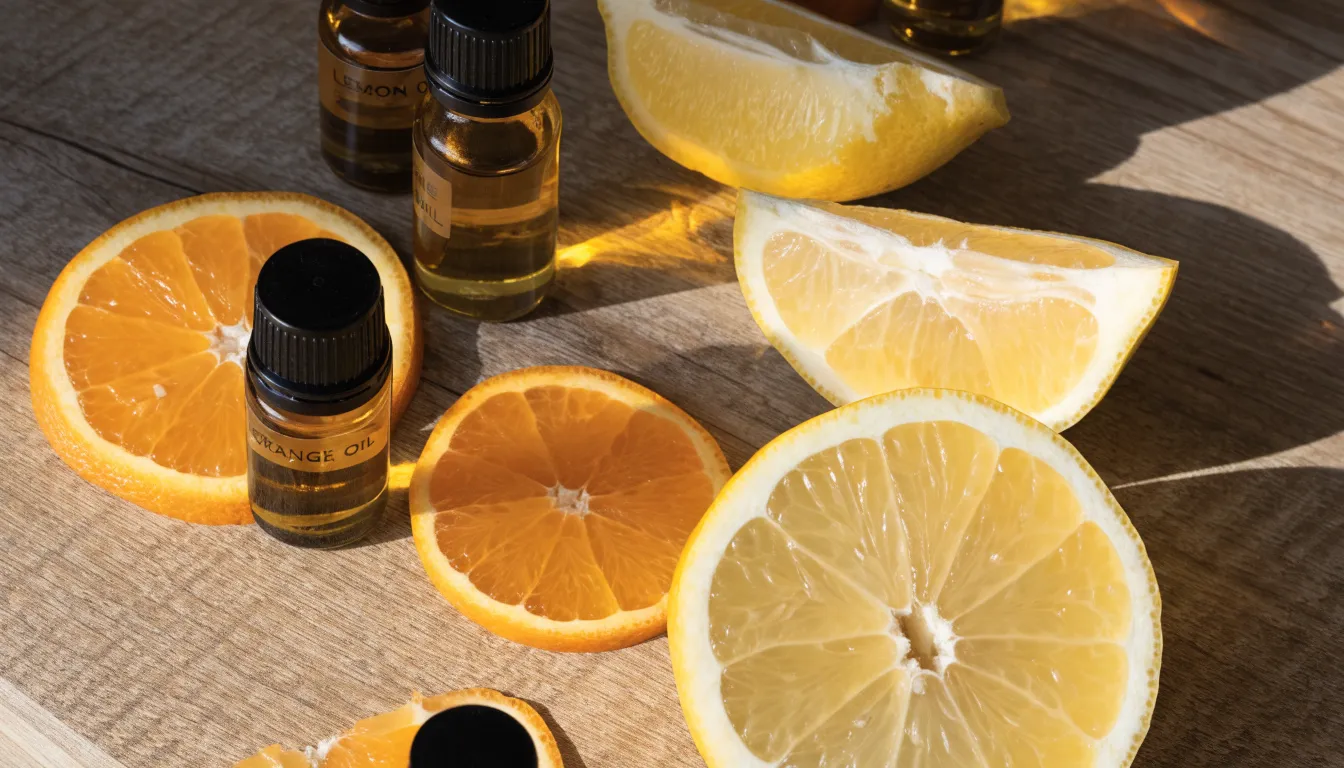
Once that barrier is gone, the ant quickly loses water from its body and becomes severely dehydrated. This rapid moisture loss is too much for the ant to survive, so it dies. That is why citrus oil works as a fast and effective way to control ants.
DIY Spray Recipes
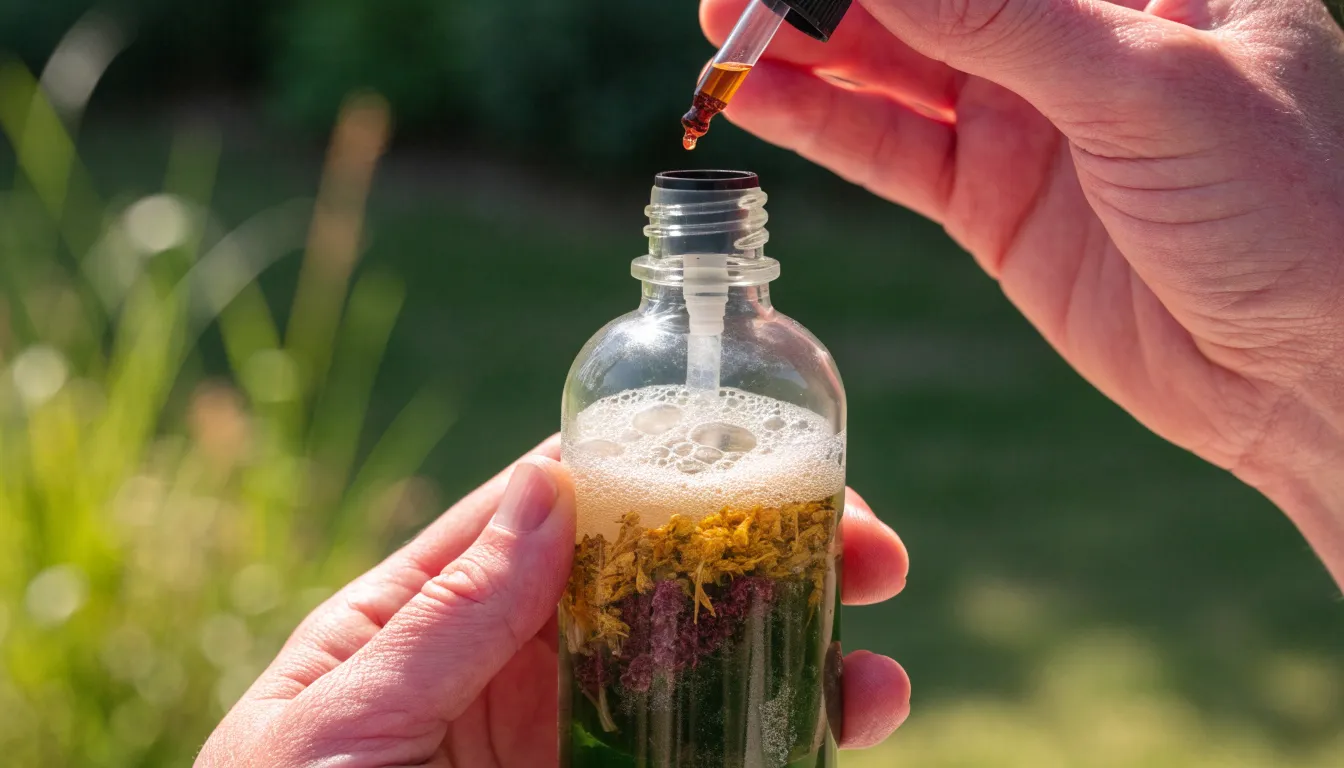
Making a non-toxic ant spray at home is simple using just water, liquid dish soap, and essential oils. Water acts as the carrier to dilute the oils to a safe strength, while the essential oils are the active ingredients—they naturally repel, disorient, or disrupt ants and their scent trails.
Good choices include peppermint, tea tree, citrus oils like lemon or orange, and cinnamon. Each has its own aroma and way of working against ants. Since oil and water don’t naturally mix, dish soap is key: it acts as an emulsifier, helping the oils spread evenly so every spray delivers a consistent dose.
To make the spray, fill a bottle with water, add about a teaspoon of dish soap per cup, and gently shake. Then add 10–20 drops of your chosen essential oil per cup, adjusting strength as needed. Shake before each use, and spray ant trails, entry points, and visible pests for a daily, chemical-free pest control approach.
Cotton Ball Strategy
The cotton ball strategy uses concentrated essential oils to target hidden ant entrances directly. Cotton balls are soaked in strong-smelling oils like peppermint, tea tree, or lemon, which ants find deeply unpleasant. These oils create a scent barrier that keeps ants from using those entry points.
The scented cotton balls are placed into cracks, crevices, and small openings where ants may enter or nest, such as behind baseboards, along window sills, around door frames, and inside gaps behind molding. As the aroma fills these hidden pathways, it blocks the ants’ scent trails and makes the area feel unsafe and unwelcoming.
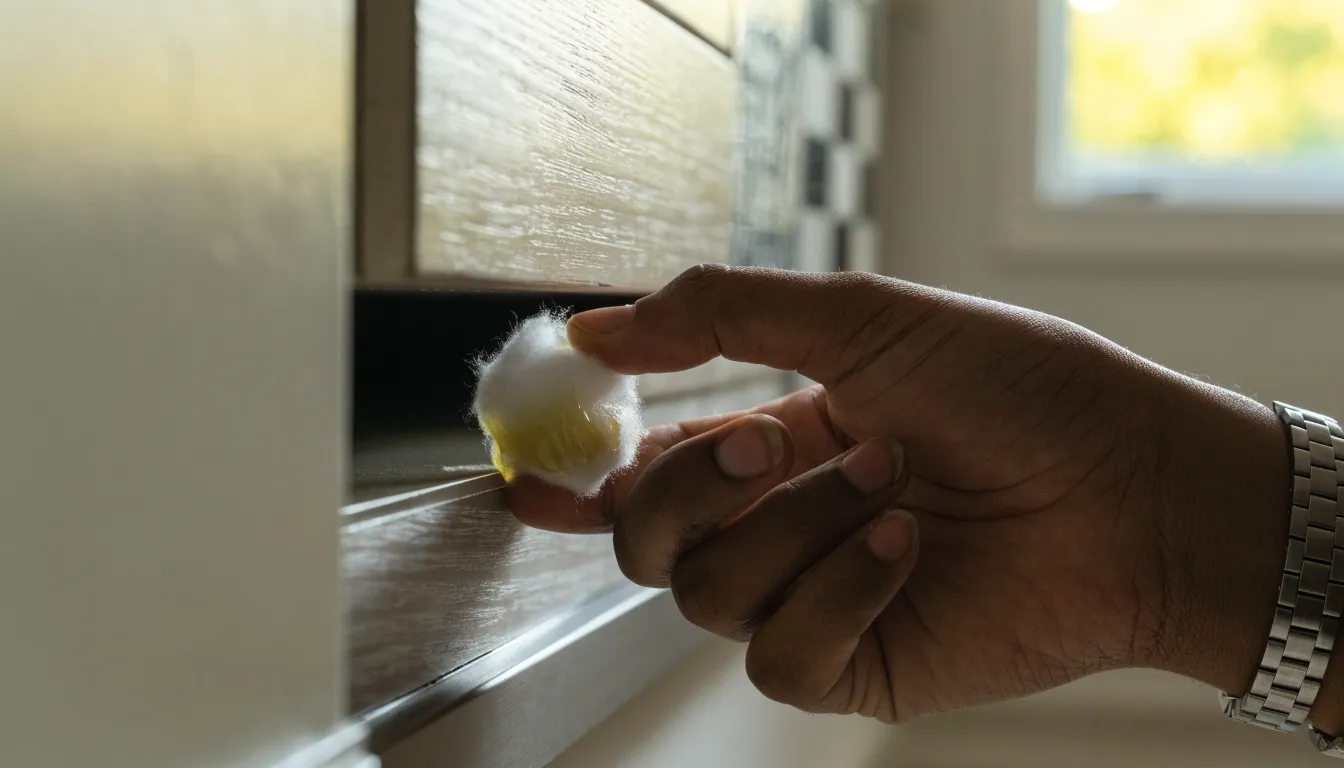
Because the oil releases its scent slowly, it works as a long-lasting repellent, pushing ants to abandon their routes and look elsewhere. Replacing the cotton balls regularly keeps the scent strong, so the barrier stays effective against ant colonies.
Diffuser Tactics
Cold-air ultrasonic diffusers spread essential oils as a fine, airborne mist, using no heat to keep the oils fully effective. Unlike sprays aimed at specific spots, this method fills an entire room with an invisible aromatic barrier, releasing countless tiny oil particles into the air.
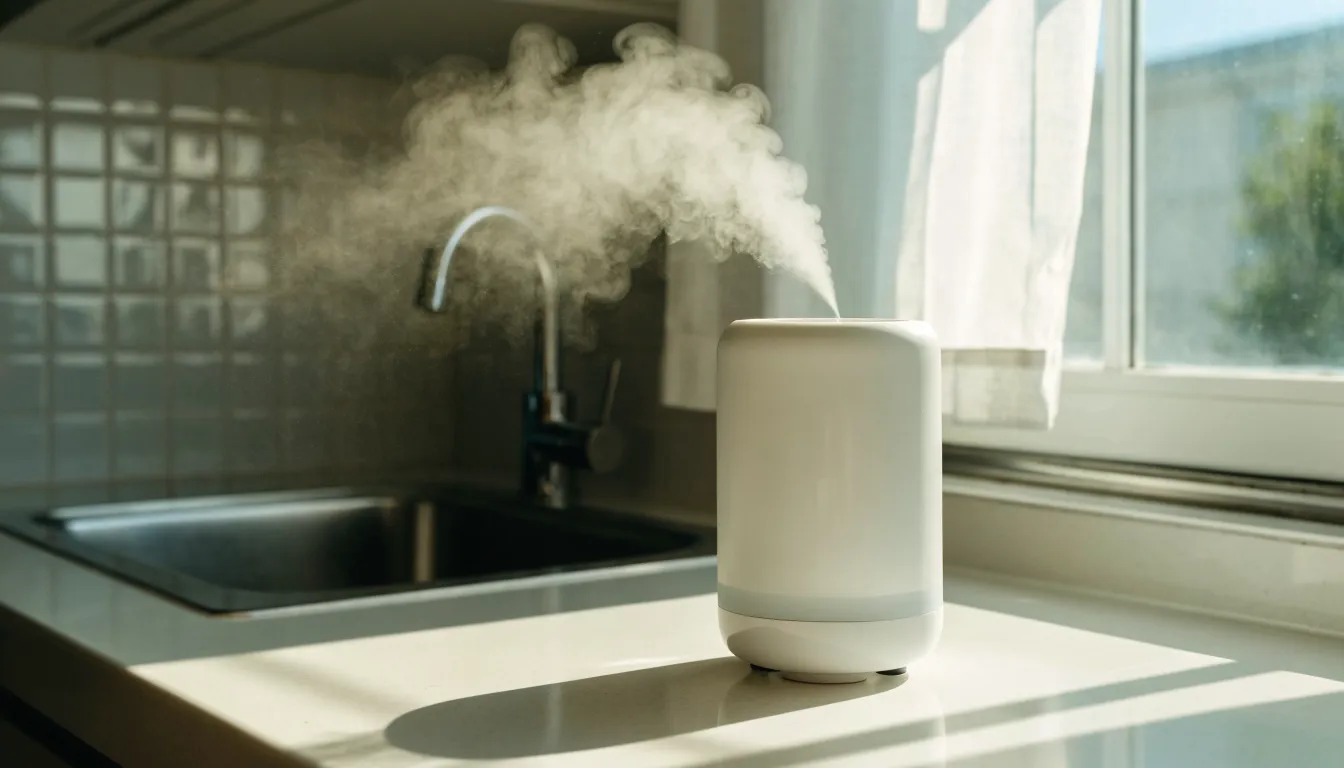
The strong, ongoing scents of oils like peppermint, tea tree, or cinnamon confuse ants by overwhelming their chemosensory systems. Since ants depend on scent trails to navigate, find food, and communicate, a room saturated with these mists becomes a confusing landscape, disrupting their paths and warning signals. The diffused aroma also reaches hidden areas—crevices, behind furniture, and inside wall voids—where direct sprays often cannot go.
For the best effect, place the diffuser centrally in the most affected room or near common entry points. Run it for several hours, especially during peak ant activity, to drive existing ants away and keep new scouts from entering. This sustained aromatic presence can effectively clear whole rooms over time.
Kitchen Counter Safety
When using essential oils to deter ants on kitchen counters, safety comes first. Since counters are used for food, always clear away food, utensils, and cutting boards before applying oils. This prevents accidental contamination. Apply the oils only when no food is present, then clean the area thoroughly afterward.
After treatment, wash any surfaces that may touch food using a dedicated cloth or sponge, then go over them again with a fresh cloth and warm soapy water. This two-step cleaning removes leftover oil residue and keeps the counter safe for food prep. Open windows or turn on ventilation to help strong smells fade quickly.
Also think about pets. Many essential oils are toxic to animals, even in small amounts. Keep pets out of the room while applying oils and until surfaces are cleaned and dried. Store all oil bottles securely in cabinets or high shelves, out of reach of curious pets, to prevent spills or accidental ingestion.
Reapplication Timelines
To keep essential oil ant sprays working, you need to reapply them regularly, but there’s no single perfect schedule. The environment plays a big role in how long the scent lasts. Lighter oils, like peppermint or lemon, evaporate faster than heavier ones, so they need more frequent spraying—sometimes every few days—to stay strong enough to deter ants.
Humidity and airflow also matter. In damp conditions, the oil’s active compounds can break down or dilute faster on certain surfaces, while dry air can make oils vanish quickly. Places with lots of air movement, like drafty kitchens or breezy porches, will lose the deterrent scent sooner and may need daily refreshing. Sheltered, still corners can hold the smell for days.
As a general rule, start by reapplying every three to five days. For high-traffic or exposed areas, switch to daily or every-other-day treatments. For quiet, low-airflow spots, a weekly refresh may be enough. Watch how often ants return and how strong the scent lingers to adjust your routine based on your home and the oils you use.
Frequently Asked Questions
Why should I choose essential oils over chemical pesticides for ant control?
Essential oils are a better choice than chemical pesticides because they protect indoor air quality by breaking down naturally without leaving harmful residue, unlike synthetic pesticides that release toxic compounds. They are also a much safer option for households with pets, avoiding dangerous neurotoxins found in many synthetic products.
How do essential oils help deter ants?
Essential oils contain natural plant compounds called terpenes, which overwhelm ants’ sensitive antennae receptors. This masks the pheromone scent trails that ants use to navigate and find food, causing them to get confused and stay away from treated areas. Terpenes can also actively break down these pheromones.
Which essential oils are effective for repelling ants?
Peppermint oil is very effective, using menthol to repel ants and mask pheromone trails. Tea tree oil defends by killing ants on contact and blocking entry with terpinen-4-ol. Lemon eucalyptus oil creates an invisible barrier that ants strongly avoid due to its active compound, PMD.
Can I make my own ant spray using essential oils?
Yes, you can make a non-toxic ant spray at home using water, liquid dish soap, and essential oils like peppermint, tea tree, citrus, or cinnamon. The dish soap acts as an emulsifier to help the oils mix evenly, allowing you to spray ant trails and entry points effectively.
Is it safe to use essential oils for ants on kitchen counters with pets in the house?
When using essential oils on kitchen counters, always clear food and utensils first, then clean surfaces thoroughly after treatment to remove residue before food prep. It is crucial to keep pets out of the room during application and until surfaces are cleaned and dried, and store all oils securely out of their reach, as many are toxic to animals.
How often do I need to reapply essential oils for effective ant control?
There isn’t a single perfect reapplication schedule, as it depends on factors like the type of oil, humidity, and airflow. A general rule is to start by reapplying every three to five days, but high-traffic or exposed areas may need daily treatments, while quieter spots could be refreshed weekly.