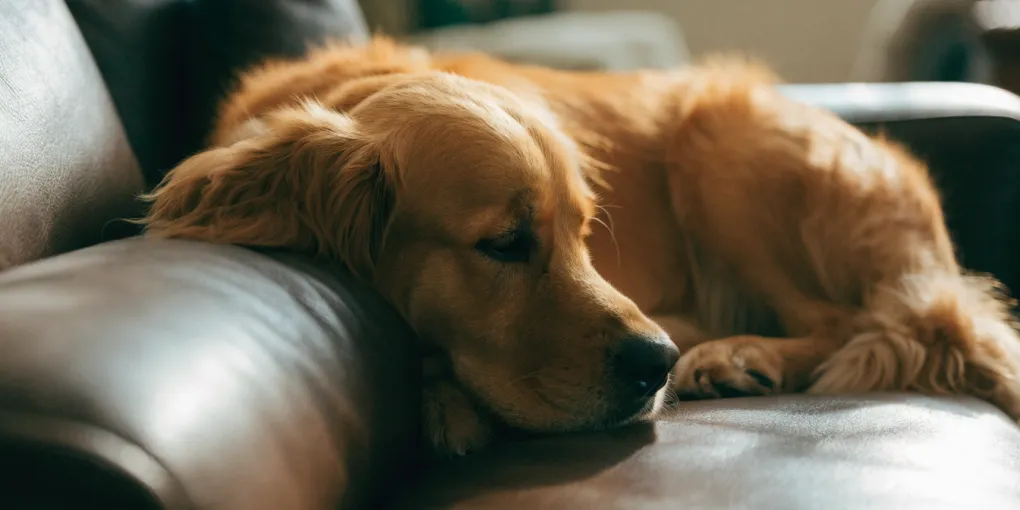
Essential oils combat pet odors by neutralizing odor molecules at their source, not just masking them. Pet-safe options like lavender, frankincense, and cedarwood, when properly diluted and diffused or incorporated into cleaning routines, can break down dander, bacteria, and other odor-causing compounds, creating a fresher home environment while Essential oils combat pet odors by neutralizing odor molecules at their source, not just masking them. Pet-safe options like lavender, frankincense, and cedarwood, when properly diluted and diffused or incorporated into cleaning routines, can break down dander, bacteria, and other odor-causing compounds, creating a fresher home environment while ensuring pet safety.
Table of Contents
- Smelly Pet Reality Check
- Essential Oil Basics
- Safety First Rules
- Fresh Lavender Power
- Citrus Oil Cautions
- Essential Diffuser Setup
- DIY Carpet Deodorizer
- Fabric Refresher Sprays
- Cedarwood and Pine
- Litter Box Revamp
- Dog Bed Refreshers
- Air Purifying Blends
- Dilution Math Simplified
- Mop Bucket Magic
- Whole Home Routine
Smelly Pet Reality Check
Understanding why pet odors linger is key to fixing them. The main culprit is pet dander—tiny skin flakes that float through the air, carrying pet-specific proteins and oils. These flakes also attract dust and other particles, creating a complex odor cocktail that settles on every surface. Essential oils like eucalyptus or tea tree can help break down these oily, protein-rich residues and neutralize musty scents when used in sprays or diffusers around the home.
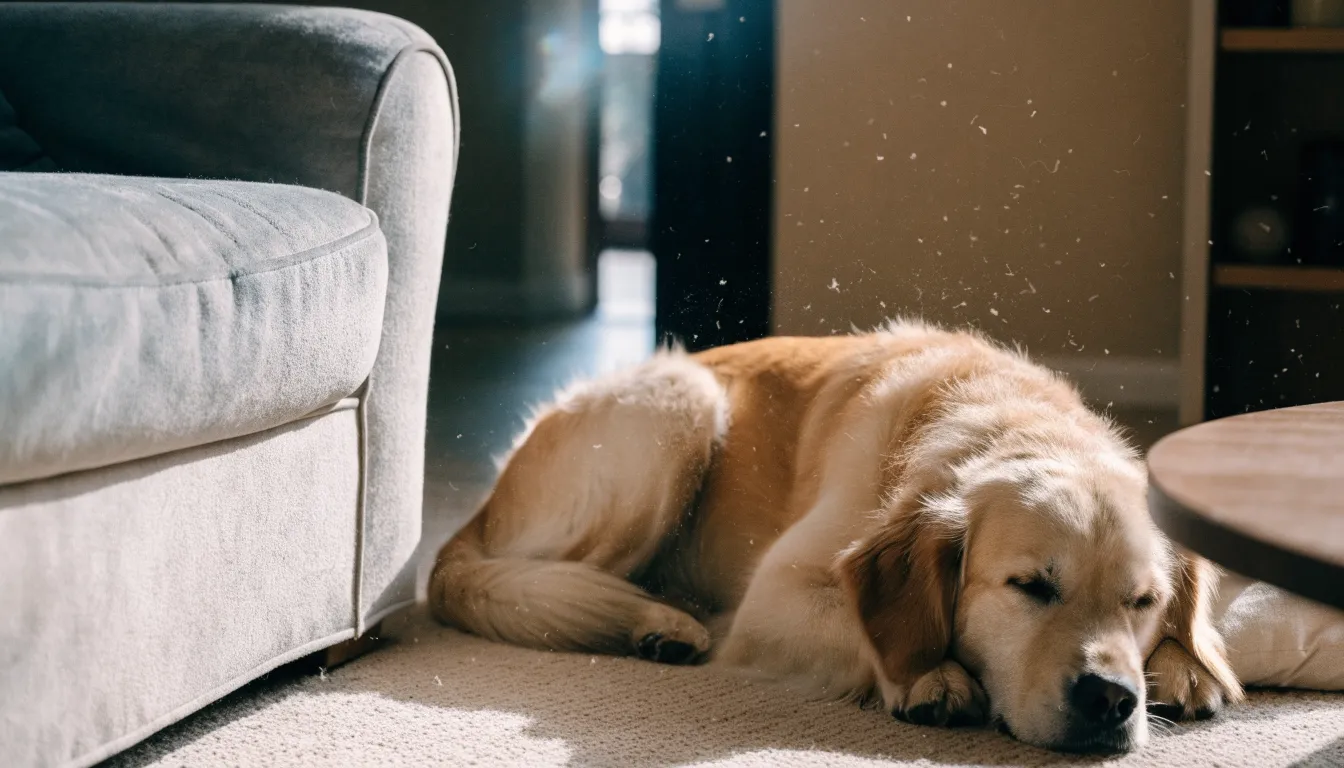
Another major source is damp fur, whether from rain, baths, or humidity. Wet fur becomes a breeding ground for bacteria and yeast, which produce distinct, musky smells that easily transfer to furniture and rugs. Similarly, natural skin oils from pets—though healthy for their coat—build up on bedding and sofas and can turn rancid over time. Essential oils with strong antibacterial and antifungal properties, such as lavender or lemon, can inhibit the growth of these odor-causing microbes and help lift the heavy, stale smells.
Finally, litter box buildup leaves ammonia-based compounds and microscopic residues that saturate the air. When dander, damp-fur bacteria, skin oils, and litter remnants meet soft surfaces like carpets, upholstery, and curtains, they get deeply trapped in the porous materials. Simple cleaning often fails because the odor molecules are embedded. Essential oils, thanks to their tiny molecular structure, can penetrate fabrics and neutralize the odors at the source—though they work best as a complement to regular, thorough cleaning rather than a replacement.
Essential Oil Basics
Essential oils use tiny volatile aromatic compounds to tackle pet odors at their source. These natural molecules do more than smell nice—when released into the air, they actively seek out and attach to the organic molecules behind unpleasant pet smells like dander, urine, and feces.
Once attached, the compounds work in two main ways: they either wrap around odor molecules, making them too heavy to float in the air, or they help break those molecules down into smaller, odorless pieces. Either way, the smell is changed at a chemical level rather than just hidden.
Because the odor-causing structures are altered or neutralized, they can no longer reach your nose’s scent receptors. This means the bad smell is truly gone, leaving a longer-lasting fresh environment instead of a temporary cover-up.
Safety First Rules
When using essential oils to manage pet odors, safety for your cats and dogs comes first. Many oils that help people are toxic to pets because animals process them differently. Always check with your vet before using any oil, and never use oils known to be harmful—especially tea tree, citrus oils like lemon and orange, peppermint, wintergreen, pine, cinnamon, and eucalyptus. These can cause liver damage, breathing trouble, and neurological issues.
Proper ventilation is essential when diffusing oils. Keep the room airy and open so fresh air circulates, since pets—especially cats—have sensitive respiratory systems and can’t easily clear these compounds from their bodies. Avoid confined spaces, and always give your pet a clear escape route so they can leave the area if the scent bothers them.
Watch your pets closely for any signs of distress after using essential oils. Symptoms of toxicity include lethargy, vomiting, diarrhea, drooling, tremors, wobbliness, trouble breathing, or skin irritation. If your pet acts differently or seems unwell, act quickly—contact your veterinarian or an animal poison control center right away. Following these rules helps keep your pets safe while you freshen your home.
Fresh Lavender Power
Lavender oil is especially useful in homes with pets because it fights both bad odors and pet stress. Its floral scent contains natural compounds that break down the molecules behind lingering organic smells, such as pet dander, accidents, or the general presence of animals. Instead of just covering up odors, lavender oil neutralizes them, leaving fabrics, carpets, and the air itself fresher and more inviting.
At the same time, lavender is known for its calming effects, mainly due to linalool, a natural compound that soothes the nervous system. When used in a diffuser or in safe topical ways, lavender oil can help reduce anxiety in pets. It is particularly helpful for animals that are nervous during thunderstorms, struggle with separation anxiety, or tend to be overly active.
The gentle aroma creates a sense of safety and relaxation, often lowering anxious behaviors and helping pets feel more at ease. In this way, lavender oil works holistically: it removes unpleasant smells while also supporting a calm, peaceful home environment for both people and pets.
Citrus Oil Cautions
Citrus essential oils, such as lemon and orange, are valued for their fresh, clean scent and their ability to help neutralize unpleasant odors in the home. However, they come with important safety limits, especially around pets.
The main concern is a compound called d-limonene, which is found in high amounts in these oils. Cats are particularly sensitive because their livers lack the enzyme needed to break it down properly. If the oil builds up in a cat’s system, it can cause symptoms like drooling, vomiting, lethargy, tremors, or trouble breathing. Even indirect exposure can be risky—for example, a cat grooming itself after walking over a surface where diffused citrus oil has settled.
To use citrus oils safely, keep them strictly to pet-free zones, such as a closed-off office or guest bathroom. Use only very heavy dilution, like one or two drops in a large diffuser placed far from pet access. Make sure the space is well-ventilated so the scent doesn’t travel to areas where pets spend time, and always store oil bottles out of reach. If you have any concerns, check with a veterinarian before using citrus essential oils in your home.
Essential Diffuser Setup
To keep pets safe with essential oil diffusers, place diffusers up high, out of reach of curious paws and noses. Keep them away from pet beds and favorite napping spots, choosing an open area where air can move freely—but avoid drafty or high-traffic spots where the scent spreads too fast.
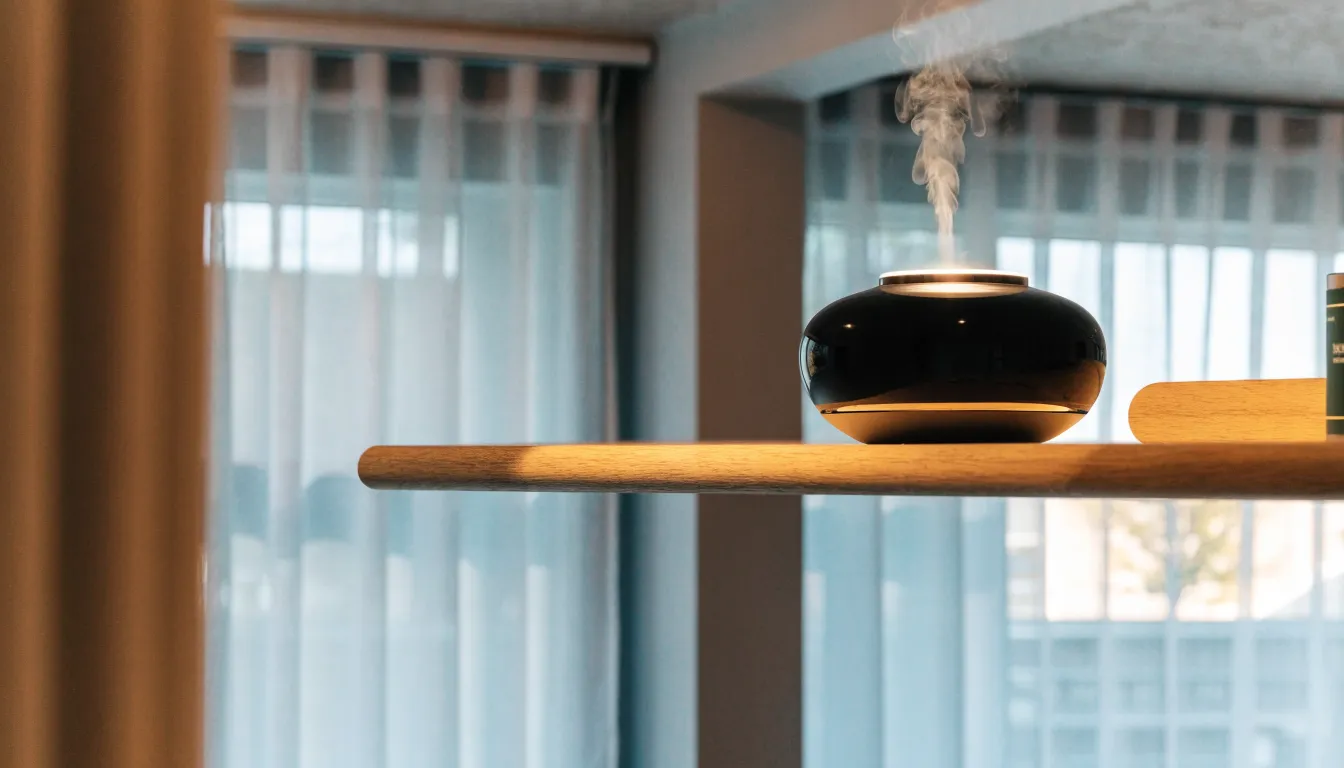
Always keep room doors open while a diffuser is running. This lets pets leave the area if the smell bothers them. Since pets have a much stronger sense of smell than humans, they need a clear escape route to avoid stress or breathing irritation from being trapped in a scented room.
Use diffusers in short, intermittent sessions instead of running them all day. A good pattern is 15 to 30 minutes on, followed by several hours off. This keeps the air from becoming too heavy with scent and limits exposure for pets, whose respiratory systems are more sensitive. Watch your pet for any signs of discomfort, and adjust your schedule if needed.
DIY Carpet Deodorizer
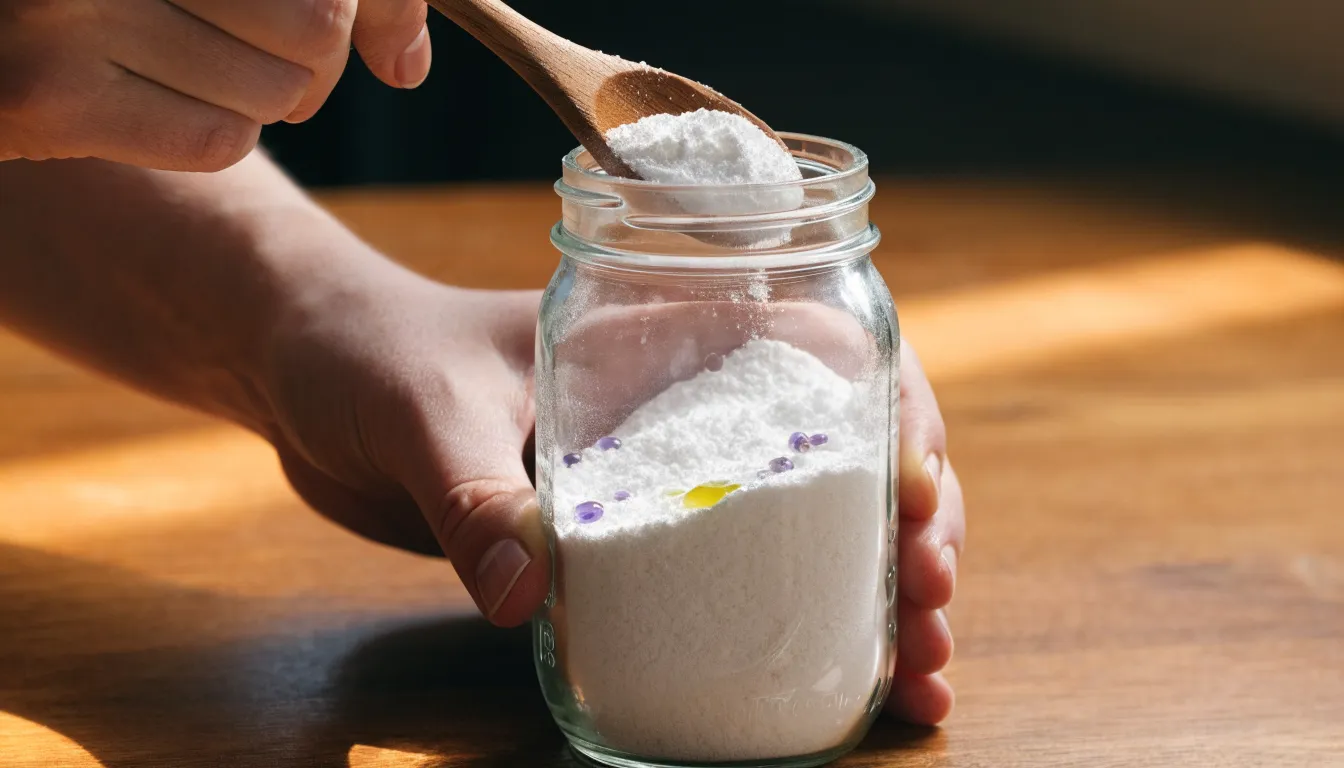
Making your own carpet deodorizer is an easy way to remove pet odors. Baking soda absorbs smells, while pet-safe essential oils add a fresh scent. Together, they leave your home smelling clean without harsh chemicals.
For the mix, use one cup of baking soda, 10 to 15 drops of a pet-safe essential oil, and an airtight jar. Safe choices include lavender, frankincense, or cedarwood. Always check what is safe for your specific pet, and avoid oils like tea tree or citrus, which can be toxic.
Combine the baking soda and oil in the jar, mixing well so the oil spreads evenly. Let it sit for a few minutes, then sprinkle it over the carpet, focusing on smelly areas. Wait 15 to 30 minutes, or longer for tough odors, then vacuum thoroughly. The baking soda lifts odors while the essential oil leaves a pleasant, refreshed scent behind.
Fabric Refresher Sprays
Pet odors can sink into upholstered furniture and make a home less inviting. Many commercial fabric refreshers rely on synthetic fragrances and chemicals that may irritate pets and people. A homemade spray offers a gentler, more natural way to refresh fabrics without harsh ingredients.
The recipe uses distilled water as a base, plus witch hazel to help spread the essential oils evenly and add mild sanitizing power. The real work comes from carefully chosen, pet-friendly essential oils: instead of simply covering up odors, they help neutralize smells at the source while leaving a light, fresh scent. Lavender, frankincense, and cedarwood are common options, but they must be safe for your specific pets and used in very low concentrations.
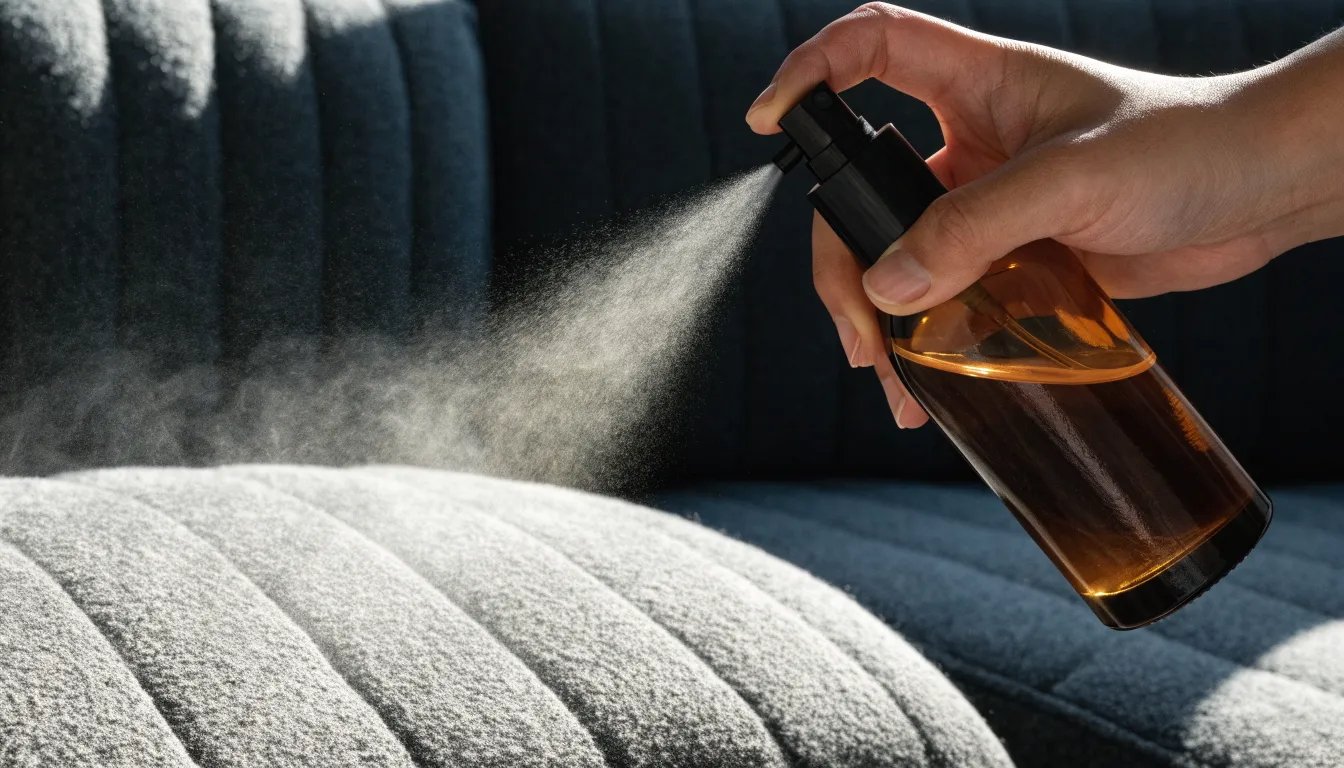
To make the spray, combine about one cup of distilled water with a quarter cup of witch hazel in a clean spray bottle, then add 10–15 drops of your chosen essential oil. Shake well before each use, lightly mist upholstery, and let it air dry. Always test on a hidden spot first to make sure the fabric won’t stain.
Cedarwood and Pine
Cedarwood and pine essential oils work well together to tackle stubborn dog odors that linger in a home. Their deep, resinous scents combine to create a powerful deodorizing effect, going beyond simply covering up smells to actually neutralizing them—especially the distinct odor of a wet dog. Cedarwood adds warm, woody notes, while pine brings a crisp, forest-like freshness, leaving rooms smelling clean and calm.
Beyond odor control, this wood blend also helps deter common household pests like fleas and mites that may be associated with pets. Both oils contain compounds that these insects naturally avoid, so using them around the home supports a broader approach to pet care. This makes the blend useful for both freshening the air and discouraging unwelcome visitors.
To use the blend, diffuse a few drops in areas where your dog spends time, or add the oils to a homemade, pet-safe cleaning spray for hard surfaces and washable fabrics. This offers a natural, effective way to keep your home smelling fresh while creating a more comfortable space for your pets.
Litter Box Revamp
Persistent ammonia smells from a litter box need a gentle, cat-safe approach. Strong chemical air fresheners can irritate or even harm cats, and heavy perfumes may make them avoid the box. Instead, feline-safe natural oils can help neutralize odors without overwhelming a cat’s sensitive nose or disrupting its routine.
One safe method is to place a few drops of a highly diluted essential oil on a cotton ball, then set it inside a small sachet or open dish a few feet away from the litter box. Frankincense and copaiba are often used for their odor-fighting qualities and general safety around cats. Cedarwood is another option, with a mild, earthy scent that helps mask unpleasant smells. These oils should only be used indirectly, in very low amounts, with good airflow, and the cat must always be free to leave the room.
A diluted room spray can also work: mix purified water with a tiny amount of an approved essential oil and lightly mist the air around the box, never the litter itself. Always test new scents slowly and watch your cat’s reaction. The goal is a subtle, clean atmosphere that fights ammonia odors while keeping your cat calm and comfortable.
Dog Bed Refreshers
Daily dog bed refreshers are a simple way to keep your pet’s sleeping area fresh between full washings. Instead of just covering up odors, these sprays work by breaking down natural body oils and neutralizing the odor-causing bacteria and enzymes that build up in the fabric over time.
The essential oils in the spray do the main cleaning work. Lavender and lemon help eliminate odors while leaving a clean, uplifting scent. Eucalyptus and tea tree oil can be added in very small, diluted amounts for extra purifying and mild antimicrobial benefits. A little witch hazel helps the oils mix evenly with distilled water so the spray works well on bedding.
To use, lightly mist the dog bed once a day and let it air dry completely before your pet lies on it again. This regular routine helps control everyday grime, keeps the bed smelling fresher longer, and reduces the need for frequent deep cleaning.
Air Purifying Blends
To refresh a home, it’s important to improve the air quality itself, not just cover up odors. A blend of rosemary, thyme, and spearmint works together effectively to neutralize airborne bacteria and create a crisp, clean scent throughout your living spaces.
Each oil plays a unique role. Rosemary offers an invigorating aroma and has a history of purifying use, with compounds that help clear the air and make it feel lighter. Thyme is notably strong at purifying, as its active compounds are known to fight off various germs and bacteria. Spearmint completes the trio with a sweet, refreshing fragrance that contributes to a clean and pure-smelling environment.
When diffused together, these three oils work as a team. Rosemary and thyme actively reduce unwanted airborne elements, while spearmint ensures the final scent is uplifting and pleasant rather than sterile. The result is naturally crisp, more hygienic indoor air that transforms your home into a welcoming space, free from lingering pet odors and stale smells, and filled with a light, herbaceous aroma.
Dilution Math Simplified
Proper dilution is essential when using essential oils in a home with pets. Pets have a much stronger sense of smell and more sensitive bodies, so even a little concentrated oil can be too much. Keep the dilution very low—between 0.5% and 1%—to get the deodorizing benefits without risking skin irritation, breathing problems, or other reactions. Lower concentrations are always the safest choice.
The math is easier than it seems. One standard drop of essential oil equals about 0.05 milliliters. For a gentle 0.5% dilution, use 1 drop per 10 ml of carrier liquid, 3 drops per 30 ml, or 10 drops per 100 ml. This works for water or witch hazel sprays, and for pet-safe carrier oils when topical use is approved by a veterinarian.
For a slightly stronger but still safe 1% dilution, use 2 drops per 10 ml, 6 drops per 30 ml, or 20 drops per 100 ml. These simple ratios make it easy to mix essential oils safely for pet odor control. Always start with the 0.5% dilution, watch how your pet reacts, and only adjust if needed—always putting your pet’s comfort and safety first.
Mop Bucket Magic
Adding a few drops of pet-safe essential oils to your regular mopping routine can turn floor cleaning into a way to fight odors and boost freshness. Hardwood floors often collect muddy paw prints, dander, and fur that plain cleaners may not fully address, and some conventional products leave a strong chemical smell. Essential oils help tackle both visible grime and lingering pet odors naturally.
To keep it safe for pets, choose oils known to be gentle, such as lavender, cedarwood, or diluted Roman chamomile. These oils have mild antibacterial properties and pleasant scents that help neutralize smells instead of just covering them up. For a standard mop bucket, mix your usual pet-safe hardwood floor cleaner with water, then add about 5 to 10 drops of your chosen oil and swirl to combine.
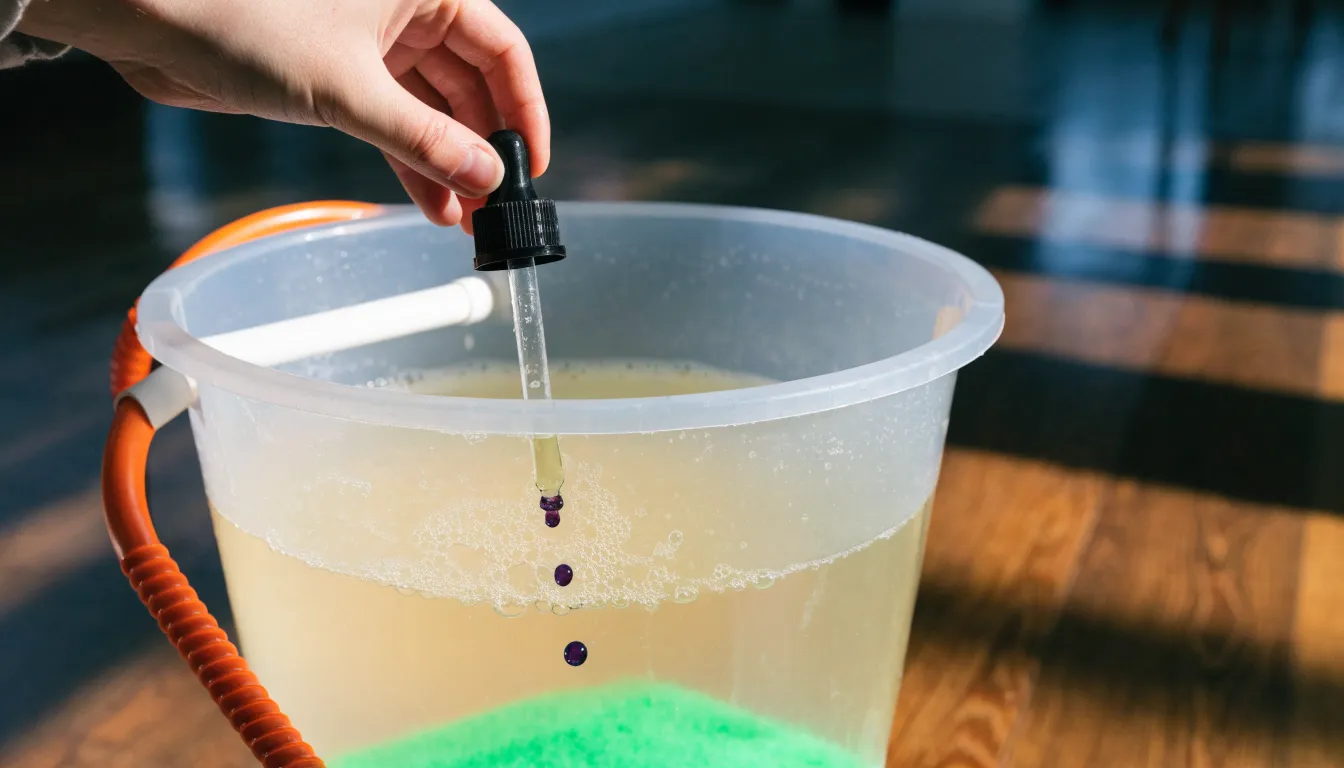
As you mop, the infused solution helps lift mud, sticky dander, and other buildup from the floors. The result is cleaner surfaces and a light, natural scent throughout the room, making the home more comfortable for both people and pets.
Whole Home Routine
To keep pet odors away long term, a whole home routine uses essential oils as part of a simple daily and weekly plan. The main idea is to prevent smells from building up by combining fresh air, quick spot sprays, and steady use of a diffuser—so the home stays fresh instead of just being treated after odors appear.
Daily habits are the foundation. Run a diffuser for a few hours in busy pet areas with a pet-safe essential oil blend to keep the air constantly pleasant. For any lingering smells, use a homemade pet-safe essential oil spot spray on bedding, carpets, or furniture during your normal walk-through. This gives instant freshness and handles odor right where it occurs.
Weekly, go a bit deeper. Vacuum or wipe down pet-frequented surfaces before using your essential oil spot spray so it can work more effectively. Also clean your diffuser each week as the instructions say. This keeps it working well and prevents old oil residue from affecting the scent or performance. Together, these essential oil habits keep the whole home smelling clean and fresh.
Frequently Asked Questions
How do essential oils work to eliminate pet odors?
Essential oils use tiny volatile aromatic compounds that actively seek out and attach to organic molecules behind unpleasant pet smells, such as dander, urine, and feces. Once attached, these compounds either wrap around odor molecules, making them too heavy to float, or help break them down into smaller, odorless pieces, neutralizing the smell at a chemical level.
Are all essential oils safe to use around my pets?
No, many essential oils are toxic to pets because animals process them differently. Always check with your vet before using any oil, and never use oils known to be harmful, especially tea tree, citrus oils, peppermint, wintergreen, pine, cinnamon, and eucalyptus, which can cause liver damage, breathing trouble, and neurological issues.
What are some signs my pet might be having a bad reaction to essential oils?
You should watch your pets closely for any signs of distress after using essential oils, including lethargy, vomiting, diarrhea, drooling, tremors, wobbliness, trouble breathing, or skin irritation. If your pet acts differently or seems unwell, contact your veterinarian or an animal poison control center right away.
How can I safely diffuse essential oils in a home with pets?
To safely diffuse, place diffusers up high and away from pet beds in an open area with good airflow. Always keep room doors open so pets can leave if the scent bothers them, and use diffusers in short, intermittent sessions of 15 to 30 minutes on, followed by several hours off.
Which essential oils are considered safe for use around cats, and how should they be applied?
Frankincense, copaiba, and cedarwood are often used for their odor-fighting qualities and general safety around cats. These should be used indirectly, such as placing a few drops of a highly diluted oil on a cotton ball in a sachet a few feet away from the litter box, or in a very diluted room spray around the area, never on the litter itself. Lavender is also listed as a pet-safe option for general use.
What is the recommended essential oil dilution when pets are present?
Proper dilution for essential oils in a home with pets should be kept very low, between 0.5% and 1%. For a gentle 0.5% dilution, use 1 drop of essential oil per 10 ml of carrier liquid; for a 1% dilution, use 2 drops per 10 ml. Always start with the lower concentration.